

the skin&tonic blog
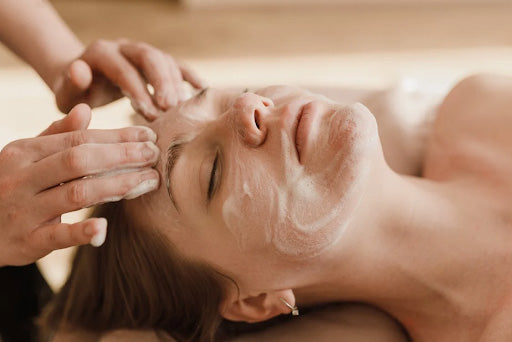

Top Anti-Aging Serums for Different Skin Types
In the quest for youthful, radiant skin, the right anti-aging serum can make all the difference. With a myriad of options available, choosing the best one is crucial for achieving the best results. But with so many options available, how do you choose the right one for your skin type? This post dives into Biologique Recherche's top anti-aging serums, each designed to address unique skin concerns and needs. Whether you're dealing with fine lines, loss of elasticity, or dryness, discover the perfect anti-aging serum to transform your skincare routine and help you achieve the glowing complexion you've always desired. Why are Anti-Aging Serums important? Anti-aging serums are essential for combating signs of aging, thanks to their concentrated actives that penetrate deeply to address fine lines, loss of elasticity, and other age-related concerns: Potent formulations: Serums are designed to deliver high concentrations of active ingredients, making them more effective at addressing specific skin concerns like aging. Rapid absorption: Their lightweight formulas allow quick absorption, ensuring active ingredients penetrate the skin deeply. Targeted solutions: From boosting collagen to fading age spots, serums can target specific signs of aging more effectively. Versatile use: They can be layered under moisturizers or makeup without adding weight, integrating seamlessly into day and night routines. Efficient results: Users often report seeing noticeable skin texture and tone improvements in shorter periods compared to other skincare products. How to Choose the Best Anti-Aging Serums for Your Skin Type Understanding that every skin type has unique needs, Biologique Recherche offers a range of anti-aging serums tailored to address various concerns. Here's how you can find the perfect match for your skin type: Dry Skin Dry skin requires intense hydration to maintain elasticity and smoothness. Look for serums containing hydrating ingredients like hyaluronic acid and glycerin. These components help to retain moisture and plump the skin, reducing the appearance of fine lines and wrinkles. Additionally, ingredients like ceramides and fatty acids can strengthen the skin barrier, preventing further moisture loss and enhancing overall skin health. Oily Skin For oily skin, it’s crucial to select lightweight, non-comedogenic formulations that won't clog pores or exacerbate oil production. Serums that balance oil production while addressing wrinkles and fine lines are ideal. Look for ingredients like salicylic acid to control oil, niacinamide to reduce shine and improve texture, and antioxidants to protect against environmental damage without adding extra oil to the skin. Sensitive Skin Sensitive skin benefits from gentle, soothing formulations that reduce inflammation and prevent irritation. Opt for serums with calming ingredients such as chamomile, aloe vera, and calendula. These components help to soothe redness, hydrate, and protect the skin from irritants. It's also essential to avoid serums with harsh chemicals or fragrances that could trigger sensitivity reactions. Combination Skin Combination skin requires a balanced approach to address both oily and dry areas effectively. Use serums that provide balanced hydration, targeting the needs of different zones on your face. Ingredients like niacinamide can regulate oil production in the T-zone, while hyaluronic acid and lightweight oils can hydrate dry areas without making oily areas greasy. This ensures that your entire complexion remains balanced and radiant. Mature Skin Mature skin needs serums rich in active ingredients that promote collagen production and enhance firmness. Peptides and growth factors are key components to look for. Peptides support collagen synthesis, improving skin elasticity and firmness. Additionally, antioxidants like vitamin C can protect the skin from free radical damage, maintaining a youthful appearance. Ingredients like marine collagen and botanical extracts can also nourish and rejuvenate the skin, providing a more youthful and radiant complexion. Biologique Recherche’s Top Anti-Aging Serums for Every Skin Type Biologique Recherche has developed a range of serums that cater to various skin types and concerns, ensuring that everyone can find a match for their specific needs. These serums are crafted to address everything from general aging concerns to more specific issues like dehydration or loss of elasticity. The Best for All: Serum Elastine Serum Elastine is renowned for its versatility and efficacy across all skin types. It excels in smoothing fine lines and improving skin elasticity, offering a visibly noticeable rejuvenation effect. The serum's active ingredients, primarily elastin peptides, enhance the skin’s structural integrity, making it appear more supple and youthful. Its lightweight formula ensures that it can be easily incorporated into any skincare routine, providing hydration without the heaviness of traditional moisturizers. For the Firmness Seekers: Serum VG Tensil Serum VG Tensil is an ideal choice for those looking to improve skin firmness and tone. This serum uses plant-based extracts to provide a tightening effect that can rejuvenate tired or sagging skin. Regular use leads to a more defined and contoured complexion, which is particularly beneficial for individuals with dull or maturing skin. The natural ingredients also help to stimulate collagen production, further enhancing the firming and lifting effects. The Protector: Serum A-Glyca Serum A-Glyca stands out for its protective properties against glycation, a process that can significantly accelerate skin aging. By preventing sugar molecules from binding to and impairing collagen and elastin, this serum helps to maintain the skin's youthful structure. Its antioxidant components also shield the skin from environmental pollutants and oxidative stress, providing an all-around defense against factors that contribute to aging. For Advanced Firming: Matriciel Visage Matriciel Visage is an exceptional choice for those seeking to combat skin sagging and loss of firmness. Its potent blend of peptides and hyaluronic acid delivers a significant lifting and firming effect, visibly enhancing skin structure and elasticity. The serum deeply hydrates and plumps the skin, reducing the appearance of fine lines and making the skin look youthful and revitalized. Its lightweight, fast-absorbing formula integrates seamlessly into any skincare routine, offering both immediate and long-term benefits. Enhanced Elasticity: Collagene Marine Collagene Marine is perfect for those looking to boost skin elasticity and hydration. This serum is infused with marine collagen and elastin to support the skin’s structural integrity, enhancing firmness and flexibility. It deeply moisturizes and revitalizes the skin, helping to smooth fine lines and wrinkles. Suitable for all skin types, Collagene Marine provides essential nutrients and promotes cell regeneration, resulting in a firmer, more youthful complexion. Its lightweight texture ensures it can be easily layered under other skincare products. What Makes Biologique Recherche Stand Out? Biologique Recherche isn't just another name in the crowded skincare market; it's a pioneer in personalized beauty care. What sets it apart? It's all about the high concentration and exceptional quality of its ingredients. With formulations rich in over 20% of plant, biomarine, and biotechnological extracts, each product is a powerhouse of efficacy. The brand shuns harmful additives—no synthetic fragrances, dyes, parabens, silicones, SLS, or phthalates here. Plus, everything is pregnancy-safe and allergy-friendly, making it a guilt-free choice for sensitive skin types. Each serum and cream is meticulously crafted to meet the individual needs of your skin, adapting to its unique conditions with precision. This tailored approach ensures that each product not only enhances your natural beauty but does so in a way that feels bespoke and specific to you. The magic doesn't end there; Biologique Recherche employs cold processing in its manufacturing to keep the integrity of its active ingredients intact, ensuring that each application is as potent as it is gentle. This commitment to high-quality, active ingredients and personalization makes Biologique Recherche stand out in the world of luxury skincare. Biologique Recherche Products and How to Use Them Navigating where to buy Biologique Recherche serums and learning the correct application techniques can greatly boost their effectiveness. This isn't just about slapping on a product; it’s about unlocking its potential with the right practices and purchasing from sources that guarantee the real deal. Best Practices for Serum Application Applying your serum correctly is almost as crucial as the serum itself. Here’s how to get the most out of each drop: Clean Slate: Always start with a clean face. Use a gentle cleanser that doesn’t strip your skin of its natural oils. Damp Not Dry: Apply serums to damp skin. Why? Because damp skin behaves like a sponge, quickly absorbing the serums that soothe and repair. Goldilocks Quantity: Use just enough serum to cover your face without wasting any precious drops. A pea-sized amount should do. Pat It In: Don’t rub; pat. This gentle motion helps the serum absorb better without pulling on your skin. Think of it as pressing a reset button on your skin. Seal the Deal: Finish with a moisturizer to lock in the serum and maximize its benefits. Consider it the protective topcoat to your skincare routine. By purchasing from trusted sources and following these application tips, you’re setting yourself up for success in your skincare regime. Your face will thank you—with clear, glowing skin. Start a Serum Routine Today Initiating a serum-infused skincare routine can revolutionize your approach to skin health, offering tailored solutions that cater specifically to your needs. Biologique Recherche serums provide the tools to address a variety of skin concerns, ensuring that each day your skin receives the best care possible. Embrace these specialized formulations and witness the transformation in your skin’s texture, tone, and overall health. Visit Skin&Tonic for a personalized consultation, the best facial spa and to find the perfect products to start your journey toward a flawless complexion.
Learn more
Building Your Skincare Routine: The 123's of Cleansing
Let’s get real about cleansing—your skincare routine is like your favorite latte: everything starts with a good base. If your cleanser isn’t right, your skin won’t be either. Whether you're trying to keep your glow after a gym session or removing the layers of date-night makeup, mastering your cleansing routine is your first step to that ‘wow’ skin. So, let’s dive into the essentials of a cleansing routine that keeps your skin refreshed and gives you that confident, radiant look every day! Why Your Cleanser Choice Matters The right cleanser doesn't just wipe the day away; it sets the tone for your entire skincare lineup. Like choosing the right foundation for your makeup, your cleanser lays the groundwork for how well your other products will perform. Go wrong here, and you might just see your serums and moisturizers underperforming. But get it right, and it's smooth sailing towards clearer, healthier skin. So, let's break down what makes a cleanser effective and why some are better left on the store shelf. Match Your Skin Type When it comes to cleansing, one size does not fit all! Your skin type dictates which cleanser will elevate your skincare game, not complicate it. Here’s a simple breakdown: Oily Skin: Instead of reaching for gel-based cleansers, consider cream-based options that contain purifying ingredients for a gentler, more balanced approach. A product like Lait SR is ideal for regulating sebum without stripping your skin, helping to maintain a healthy balance and prevent excess oil production. Dry Skin: Creamy cleansers or those loaded with moisturizing ingredients are your go-to. They clean without leaving your skin feeling like a desert. These cleansers often contain hydrating heroes like hyaluronic acid or soothing oils that help maintain your skin's moisture barrier. Combination Skin: It’s all about balance here. You need a cleanser that’s effective enough to reduce oil in the T-zone without drying out the cheeks. Look for a cleanser that says it's formulated for combination skin—these often have a balanced pH and ingredients that can multitask. Sensitive Skin: Gentle is the keyword. Opt for cleansers free from common irritants like fragrances, alcohol, and harsh chemicals. These products should soothe as they cleanse, reducing the chance of any redness or irritation. Understanding how your skin reacts to different ingredients and formulations is key. A great starting point in premium skincare lines is Biologique Recherche. Known for their meticulous attention to skin health, Biologique Recherche offers cleansers tailored to different skin types, ensuring that your skin gets a luxe, gentle, and effective cleanse without any fuss. Whether you lean towards their Lait U for a gentle everyday clean or the Lait VIP O2 for a dose of oxygenating benefits, there's a cleanser in their line that’s likely to feel like it was made just for you. Ingredients to Love and Ones to Ditch Your skin is precious, and not all cleansers treat it that way. Here’s a straightforward look at what should be in your cleanser and what you should steer clear of: Say Yes To: Hydrating heroes like glycerin and hyaluronic acid Soothing agents like aloe vera and green tea Gentle exfoliants like lactic acid for a mild peeling effect Say No To: Sulfates that strip away natural oils Harsh exfoliants like walnut shells that can cause micro-tears Artificial fragrances and colors that offer no benefits and can irritate Master the Art of Cleansing Cleansing might seem as simple as soap and water, but there’s a bit more nuance to effectively removing dirt, oil, and makeup without harming your skin. Let’s dive into the techniques that elevate your cleansing from routine to ritual. Technique, Technique, Technique! To get the most from your cleansing routine, keep these tips in mind: Start with cool or room temperature water: To keep inflammation down, it's best to avoid warm water. Modern cleansers are designed to be effective without the need to "open the pores," making cool or room-temperature water an excellent choice. Use the right amount: A nickel-sized amount of cleanser is all you need to do the job. Soft circular motions: This isn't a race. Gentle circular motions allow the cleanser to do its job without stressing your skin. Don't rush the rinse: Make sure all product is washed off to prevent residue that can lead to breakouts. Pat dry: Be kind to your skin and pat it dry with a soft towel—rubbing can lead to irritation. Instead of a reusable towel, opt for disposable options like Clean Skin Club towelettes. These provide antibacterial benefits and a soothing texture, ensuring all makeup and debris are removed effectively. Common Cleansing Myths Busted Let's clear up some common cleansing misconceptions: More is better: Over-cleansing can strip the skin and lead to more oil production. Scrubbing harder cleans better: Gentle is the way. Over-exfoliating can damage your skin barrier. All cleansers are the same: Each type has a different purpose and strength, tailored to various skin needs. When to Wash and When to Chill Navigating the cleansing waters isn't just about how you wash, but also about how often. Striking the right balance is key—not enough face-washing and your pores could throw a protest by clogging up, but too much and your skin might just go on a dryness strike. So, let's get into the nitty-gritty of tuning your skincare routine to the rhythm of your skin's needs without overdoing it. Finding Your Perfect Cleansing Frequency Here's the scoop on how often you should hit the sink: Oily and Combination Skin: These skin types can handle a bit more love, so go for twice-a-day cleansing. Once in the morning to wash away any oil build-up from the night, and once at night to clear out the day's grime and makeup. This keeps your skin fresh and prevents excess oil from throwing a party in your pores. Dry and Sensitive Skin: While it might seem tempting to reduce cleansing, it's important to not skip the morning routine. Use a gentle cleanser like the Eau Micellaire Biosensible from Biologique Recherche in the morning to wash away any debris accumulated from hair and pillowcases overnight. The Morning vs. Evening Debate Let's break down the best times to cleanse: Morning Cleansing: It's like a mini reset for your skin. Washing in the morning helps remove any oils that your skin conjured up overnight and provides a pristine base for your skincare products. Think of it as prepping your canvas before you start your masterpiece. Evening Cleansing: Non-negotiable. It’s all about taking the day off—your makeup, the dirt, the stress, all of it. Evening cleansing prevents your pores from being clogged with impurities, which can lead to breakouts. Plus, it gives your skin a chance to breathe and recover overnight. Getting your cleansing routine just right can be a game-changer for your skin. It’s not just about cleaning; it’s about catering to your skin’s needs and keeping it balanced, happy, and healthy. Post-Cleansing Must-Dos What you do after cleansing is like setting the stage for your skincare products to perform their best. It's not just about cleaning; it's about prepping your skin to soak up all the benefits of your skincare routine that follows. Miss this step, and you might as well be throwing your fancy serums and creams down the drain! To Tone or Not to Tone? Think of toning as the primer for your skincare routine. Here’s why you might want to keep that toner handy: Balancing pH: Cleansers can disrupt your skin’s natural pH balance, and toners help to restore it quickly. This balance is crucial for keeping your skin stable and ready to defend against irritants and breakouts. Shrinking pores: Feel like your pores look like craters? A swipe of toner can tighten things up and reduce their appearance, giving you that smooth, flawless look. Extra cleansing: Sometimes, cleansing alone doesn’t get all the makeup and dirt out. A toner can catch any residue hanging out, ensuring your skin is squeaky clean. Lock in the Moisture Moisturizing is not just a suggestion; it’s a must. Here’s how to pick the hero your skin needs: Understand your skin type: Different skin types need different moisturizers. Oily skin benefits from lightweight, water-based formulas, while dry skin may need something richer. Key ingredients are key: Emollients (like shea butter and oils) soften and smooth dry skin. Humectants (like glycerin and hyaluronic acid) draw moisture into the skin. Occlusives (like petrolatum) seal in moisture, acting like a barrier on your skin. S.O.S. for Cleansing Slip-ups We all mess up sometimes but don’t worry, not all is lost when it comes to a slip-up in your cleansing routine. Let’s patch things up real quick. Dealing with Over-Cleansing If your face feels tighter than a pair of jeans post-Thanksgiving dinner, you might have overdone it. Here’s how to address it: Switch it up: It’s crucial to use the right type of cleanser. Opt for cream cleansers, as these are designed to leave your skin feeling dewy and plumped, not tight and dry. Changing to a gentler, more hydrating cleanser can respect your skin’s natural oils and improve your skin's overall feel. Review your routine: Washing less isn't necessarily the answer; changing your cleanser likely is. If you’re experiencing tightness, your current cleanser might not be right for you. Switch to a cream-based option that enhances hydration and observe how your skin responds. Emergency Fixes for Cleansing Mishaps Went a bit too wild with the face wash? Here’s how to calm things down: Soothing masks: A quick mask session with calming ingredients like aloe vera, cucumber, or tea tree oil can help soothe irritated skin. Spot treatments: For targeted issues like dry patches or breakouts, spot treatments can deliver concentrated ingredients to where your skin needs them most. Every step you take post-cleansing can either set you up for skincare success or a beauty blunder. By following these guidelines, you can ensure that your skin remains in top-notch condition, ready to face anything that comes its way! Start Your Journey to Perfectly Clean Skin Embarking on a skincare journey with a solid cleansing routine at the heart sets you up for success. Tailor these tips to fit your unique skin needs and watch as your skin transforms into a clearer, brighter version of itself. Skin&Tonic in Raleigh offers a range of facial spa services and products to help you achieve healthier, more radiant skin. Let us be your partner in your journey to perfectly clean skin! So don't hesitate to schedule an appointment with one of our skincare experts today to learn more about the best cleansing routine for your skin type. Remember, a little love and care can go a long way in achieving that glowing, healthy complexion you've always dreamed of! Keep on cleansing, beauties! Happy skin-caring!
Learn more
How to Get Rid of Dry Flaky Skin
If you're struggling with dry, flaky skin on your face, you're not alone. Many people face this uncomfortable condition, especially during the colder months or in dry climates. But the good news is that there are effective strategies to soothe and improve your skin's health. This comprehensive guide will walk you through everything from basic skincare adjustments to lifestyle changes that can help maintain your skin's moisture and keep it looking smooth and healthy. Understanding Dry Flaky Skin Dry, flaky skin on the face can feel tight and uncomfortable and often looks rough and patchy. This condition, technically known as xerosis, occurs when your skin lacks sufficient moisture. It's a common issue that can affect anyone, regardless of age or skin type. Let's delve deeper into the causes and symptoms to better understand how to manage this bothersome condition. Causes of Dry Skin Dry skin can result from a variety of factors, each contributing to the loss of moisture and reduction in the skin's natural oils: Environmental Conditions: Low Humidity: Dry air can sap moisture from the skin, especially in winter. Cold Weather: Chilly conditions can make the skin feel rough and dehydrated. Wind: Strong winds can strip the skin of its protective barrier, leading to dryness. Indoor Heating: Systems like central heating can dry out the air indoors, which in turn dries out the skin. Skincare Habits: Frequent Washing: Overwashing can remove essential oils from the skin. Harsh Soaps: Some soaps can be too strong for the skin, stripping it of moisture. Aggressive Exfoliation: Exfoliating too often or with harsh scrubs can damage the skin barrier. Symptoms to Watch For Understanding the symptoms of dry skin can help you address the problem before it worsens: Texture and Sensation: Roughness: The skin may feel coarse to the touch. Tightness: There can be a sensation of tightness, especially after bathing or showering. Visual Signs: Scaly Texture: Look for flaky or peeling skin. Itching: Dry skin is often itchy, which can lead to scratching and further damage. Red Patches: These may indicate more severe dryness. Severe Symptoms: Cracking: The skin may crack, which can be painful and sometimes bleed. Bleeding: From deep cracks or excessive scratching. If these symptoms persist or if you experience severe discomfort such as excessive redness, swelling, or a feeling of heat in the skin, it may be time to consult a professional. Conditions like dermatitis or eczema require professional treatment and should be addressed promptly to prevent further complications. Managing dry skin effectively starts with understanding these underlying causes and symptoms, and implementing protective measures in your daily skincare routine. Daily Skincare Techniques to Prevent Dryness Keeping your skin hydrated and healthy is crucial, especially if you struggle with dry, flaky skin. A well-thought-out daily skincare routine can make a significant difference. Here are some easy yet effective steps to ensure your skin remains hydrated and nourished throughout the day. Optimal Bathing Practices To prevent your skin from drying out, it's important to look at how you bathe. First, avoid using hot water; it might feel relaxing, but it can strip your skin of its natural oils, leading to dryness. Instead, opt for lukewarm water, and try to keep your showers or baths under 10 minutes. When you're done, don't rub your skin with a towel as this can aggravate your skin. Instead, gently pat yourself dry. This helps retain moisture and prevents further irritation of your dry, flaky skin. Choosing the Right Cleansers Selecting the right cleanser is critical when dealing with dry skin. Harsh, soap-based cleansers can remove the skin’s natural oils, exacerbating dryness. Look for mild, hydrating cleansers that are specifically labeled "soap-free" or suitable for sensitive skin. These products are formulated to cleanse your skin without stripping away moisture. Avoid cleansers with alcohol, fragrances, or harsh chemicals, which can irritate and dry out the skin further. A gentle cleanser will help maintain your skin's natural moisture barrier, keeping it smooth and hydrated. The Importance of Moisturizing Moisturizing should be a key part of your skincare routine if you have dry skin. After cleansing or showering, while your skin is still slightly damp, apply a rich moisturizer. This helps trap the moisture on your skin. Ingredients like hyaluronic acid, glycerin, and ceramides are especially beneficial as they not only moisturize the skin but also help to strengthen the skin’s barrier, preventing moisture loss over time. Regular moisturizing, morning and night, will keep your skin hydrated, reduce flakiness, and give it a healthy, plump appearance. By integrating these simple yet effective practices into your daily routine, you can significantly improve the hydration and overall health of your skin, reducing dryness and flakiness. Regular attention and care are the keys to maintaining smooth, soft skin. Advanced Skincare Treatments If you're dealing with persistent dry, flaky skin, it might be time to consider some advanced skincare treatments that go beyond your basic routine. These can help to improve your skin's texture and hydration levels significantly. Exfoliation Methods Regular exfoliation is a key step in managing dry skin as it helps remove dead skin cells that can make the skin look flaky and dull. It’s essential to pick the right type of exfoliant to avoid damaging your already dry skin. A great example of a daily chemical exfoliant is the Biologique Recherche Lotion P50, which not only removes dead skin cells but also helps to maintain the pH balance of the skin without causing further dryness. Chemical exfoliants, such as alpha-hydroxy acids (AHAs), are generally more suitable for dry skin than physical exfoliants, like scrubs. AHAs work by gently breaking down the bonds between dead skin cells, allowing them to be washed away easily, leaving the skin smoother and fresher. When to Use Specialized Products To further boost hydration and treat dry, flaky skin effectively, incorporating specialized skincare products into your routine can be very beneficial: Serums: These are lightweight and penetrate deeply into the skin, delivering a high concentration of active ingredients. Using serums that contain antioxidants like vitamin C or E can help protect the skin from environmental damage while deeply hydrating it. Facial Oils: These can be especially nourishing for dry skin: Jojoba Oil: Mimics the skin’s natural oils, making it an excellent moisturizer without clogging pores. Argan Oil: High in vitamin E and essential fatty acids, it deeply hydrates and softens the skin. Coconut Oil: Known for its moisture-retaining properties, it helps to fortify the skin's lipid barrier, reducing moisture loss during the night. Using these products, particularly in the evening, allows the active ingredients to work in conjunction with the skin's natural repair process during sleep. This can dramatically improve hydration and reduce flakiness over time. By integrating these advanced treatments into your skincare routine, you can better manage dry, flaky skin and maintain a smoother, more radiant complexion. Lifestyle Changes to Improve Skin Health Adjusting your lifestyle can also make a significant difference in your skin’s health and appearance: Dietary Adjustments Your diet plays a critical role in maintaining your skin’s health. Foods rich in omega-3 fatty acids, such as salmon, walnuts, and flaxseeds, can help fortify the skin’s oil barrier, improving hydration. Additionally, eating plenty of fruits and vegetables high in antioxidants can protect the skin from damage and promote regeneration. The Role of Hydration Water intake is essential for maintaining hydrated skin. Aim to drink at least eight glasses of water daily. This not only keeps your skin moisturized but also helps flush out toxins that can affect your overall skin health. Managing Your Environment for Better Skin Creating an environment that supports skin hydration can help mitigate dryness: The Benefits of Humidifiers Using a humidifier in your home can significantly increase the moisture in the air, which helps prevent your skin from drying out, especially in winter or in air-conditioned rooms. Choose a humidifier that fits the size of your room and clean it regularly to prevent mold growth. Protecting Your Skin from Harsh Conditions Protect your skin from the elements by wearing suitable clothing and using broad-spectrum, zinc-based sunscreen. Sunscreens like those offered by Suntegrity not only protect against UV rays but also provide a physical barrier that helps retain moisture in the skin. Signs You Need to See a Professional Esthetician or Dermatologist Sometimes, despite your best efforts with home care, dry skin can become a persistent problem that requires a bit more expertise to handle effectively. Here's how to know when it's time to consult a professional and what you can expect from their treatments. When your skin remains dry and flaky despite using various moisturizers and changing your skincare routine, it might be a sign that you need professional help. Severe symptoms like intense itching, noticeable redness, or skin cracking are clear indicators that your skin condition could benefit from the expertise of a dermatologist or an esthetician. These professionals can assess your skin's specific needs and offer a more targeted approach to treatment. Professional treatments might include: Prescription Moisturizers: These are more potent than over-the-counter options and are tailored to intensely hydrating and repair the skin. Targeted Therapies: These could include light therapy, medicated ointments, or even dietary recommendations that address the root cause of dryness. Routine Adjustment: Professionals can provide personalized advice on modifying your skincare routine to prevent further dryness. Visiting a skincare professional like Skin&Tonic can make a significant difference, especially for those dealing with unmanageable symptoms. They can offer both immediate relief and long-term strategies to keep your skin healthy. For specialized skincare and facial spa tailored to your unique needs, consider consulting with Skin&Tonic. They offer expert advice and treatments that can help rejuvenate and restore balance to your dry, flaky skin.
Learn more
How to Choose the Right Skincare Treatments for Your Wedding Day
Your wedding day is coming up, and you want your skin to look flawless. With so many skincare treatments out there, it can be hard to know where to start. Whether you’re dealing with acne or dryness or just want that radiant glow. From personalized facials to at-home masks, we’ll guide you through the best options tailored to your skin type. Let’s ensure your complexion is as stunning as your dress so you can feel confident and beautiful on your big day. Understanding Your Skin Type Understanding your skin type is crucial for brides-to-be. Choosing the wrong products can spell disaster for your bridal glow. Imagine dealing with breakouts or flaky skin right before your big day—no, thank you! Different skin types have unique needs, and using the right treatments is key. Whether you're oily, dry, combo, or sensitive, getting it right can take some trial and error. Visit a facial skincare studio for expert advice and tailored treatments. Let’s ensure your skin is flawless and radiant so you can walk down the aisle feeling like a goddess. Identifying Your Skin Concerns To tailor your skincare routine appropriately, you must first identify your primary skin concerns. Here are common issues you might face: Dryness: If you’re battling flaking, rough patches, or that tight, uncomfortable feeling after washing, welcome to the dry skin club. Moisture is your best friend, so look for hydrating serums and rich moisturizers. Sensitivity: Do you turn red, itch, or break out in a rash when you use new products? That’s your skin screaming for gentle, soothing formulas. Stick to hypoallergenic and fragrance-free products to keep the peace. Signs of Aging: Fine lines, wrinkles, or a little sag here and there? Embrace those signs of wisdom, but if you want a youthful boost, seek out products with alpha, beta, or poly hydroxy acids for smoother, firmer skin. Acne: Pesky pimples making an appearance? Look for ingredients like salicylic acid or benzoyl peroxide to keep breakouts at bay. Hyperpigmentation: Dark spots and uneven skin tone? Ingredients like vitamin C and niacinamide can help brighten and even out your complexion. Recognizing these issues early allows you to tackle them head-on with targeted treatments. Visiting a facial skincare studio can give you a professional edge, ensuring your skin looks youthful, vibrant, and absolutely stunning for your big day. After all, you deserve to feel like the radiant bride you are! Consultation with a Skincare Professional A consultation with a skincare professional is invaluable. They can provide a detailed analysis of your skin type, pinpoint specific concerns, and recommend treatments that will work best for your skin’s unique needs. Their expert advice can guide you through the myriad of skincare options and customize a treatment plan that prepares your skin for your wedding, maximizing the benefits of each treatment. Here’s how to make the most of it: Research Professionals: Look for estheticians or dermatologists with good reviews and a track record of treating your skin type. Prepare Your History: Bring a list of products you currently use and any skin issues you have experienced to provide a comprehensive background. Be Clear About Your Goals: Explain your wedding date and any specific skin concerns you want to address so the treatments can be timed perfectly. Ask Questions: Inquire about the types of treatments available, what results you can expect, and how they might affect your skin type. Discuss Sensitivities: Make sure to discuss any skin sensitivities or allergies to ensure the treatments are safe for you. Plan for Follow-Ups: Arrange for follow-up appointments to assess the progress and make any necessary adjustments to your treatment plan. These steps will help you and your skincare professional devise the most effective plan tailored specifically to your needs, ensuring your skin looks stunning on your wedding day. Timeline for Pre-Wedding Skincare Creating a timeline for your skincare treatments ensures that your skin will be in optimal condition on your wedding day. Starting treatments at the right time allows for visible results and helps manage any skin reactions well before the big day. Six Months Before the Wedding Start with a comprehensive skin assessment. This might include advanced treatments like SKin&Tonic's Dermasweep, which targets more profound skin issues such as acne, hyperpigmentation, and the visible effects of aging. Starting early with such treatments allows for multiple sessions that can progressively improve your skin's health and appearance. Here’s how Dermasweep can benefit your skin: Gentle Exfoliation for Smoother Complexion: Dermasweep’s gentle exfoliation technique removes dead skin, revealing a smoother, vibrant complexion and enhancing the absorption of nourishing serums. Enhanced Circulation for Natural Glow: The combination of suction and exfoliation in Dermasweep promotes increased blood flow, enriching your skin with oxygen and nutrients, resulting in a natural, luminous glow. Boosts Oxygenation for Revitalized Skin: By optimizing the skin’s oxygen levels, Dermasweep supports cellular renewal and combats signs of aging, leaving your complexion looking refreshed and alive. Stimulates Collagen Production for Youthful Radiance: Dermasweep stimulates collagen production, helping to maintain the skin's firmness and reduce the appearance of lines and wrinkles, resulting in a youthful, radiant glow. Three to Six Months Out Introduce Skin & Tonic's Brightening Facial into your routine. This facial is designed to even out skin tone and add a luminous quality to your complexion. Regular sessions can significantly reduce the appearance of dark spots and enhance overall skin brightness, ensuring that your skin has a healthy, natural glow. Here’s why the Brightening Facial is effective: Targets Hyperpigmentation: This facial specifically addresses hyperpigmentation by combining the Dermasweep Exfoliating Treatment with melanin-inhibiting serums, infused deeply into the skin using the Dermasweep machine. Effective Mask Treatment: It includes the BIOLOGIQUE RECHERCHE PIGM 400 Brightening Pigment Mask, known for its brightening properties. Enhances Skin Texture: The treatment helps to smooth the skin surface, making it look more refined and even. Boosts Skin Radiance: By stimulating blood flow and oxygenation, the facial enhances the skin's natural glow. Homecare Plan: For lasting results, a homecare plan tailored to your skin's needs is essential to maintain and enhance the effects of facial treatments. One to Two Months Prior As the wedding approaches, hydration and skin revitalization become crucial. Schedule Skin & Tonic's Oxygenating Facial and Sculpting Facial to ensure your skin looks its best. Oxygenating Facial This facial uses BIOLOGIQUE RECHERCHE's patented oxygenating complex, ideal for combating dullness and exposure to pollution. The treatment begins with a soothing cleanse to boost circulation and lymphatic drainage. The oxygen application revitalizes the skin, leaving it refreshed and radiant. Sculpting Facial Designed to reduce puffiness and fluid retention, this facial combines lymphatic drainage and sculpting massage techniques. Using BIOLOGIQUE RECHERCHE's MC110, it plumps and retexturizes the skin while lifting and toning. For added jawline definition, consider the anti-ptosis Platysma Mask. This treatment is suitable for normal, combination, or dry skin types. The Final Weeks In the final weeks before your wedding, focus on achieving a smooth and plump complexion with a gentle Second Peau treatment from Biologique Recherche. This treatment is specifically designed for special events like weddings and photo shoots, offering an immediate boost to your skin’s appearance. Topical Filler Effect: The Second Peau treatment works like a topical filler, perfect for reducing fine lines and adding subtle plumpness to your skin. Advanced Serum: The serum used took seven years to perfect and contains hyaluronic acid-soaked strips that are strategically placed to fill in lines and smooth the skin. Immediate Results: You will notice a tighter, more plump complexion that lasts for 48-72 hours, making it ideal for the days leading up to your wedding. Take-Home Serum: After the treatment, you will receive the remaining serum to use within 48 hours, helping to maintain the results. Non-Irritating: This hydrating treatment is gentle, reducing the risk of irritation or inflammation, ensuring your skin looks its best without any adverse effects. This final touch will leave your skin looking radiant and flawless for your special day. Selecting the Right Treatments Selecting the right treatments involves understanding not only what each option offers but also how it aligns with your skincare goals and timeline. Choose treatments based on the outcomes you desire: Radiance: Select facials that include vitamin infusions and brightening agents. Contour Definition: Look for treatments that promote skin firming and lifting. Smooth Texture: Choose exfoliating and resurfacing treatments that refine the skin surface. Understanding the specific benefits of each treatment allows you to make informed decisions that are aligned with your skincare goals. Maintaining Results After investing time and effort into your pre-wedding skincare, maintaining those results is essential to keep your skin looking its best. This involves continuing with a dedicated skincare routine and using the right products to protect and nourish your skin. Skincare Routine Post-Treatment Develop a daily skincare routine that includes gentle cleansing, hydration, and sun protection. Here are the key steps to follow: Gentle Cleansing: Use a mild cleanser to remove dirt and impurities without stripping your skin of its natural oils. Hydration: Apply a quality moisturizer to keep your skin hydrated and to maintain the suppleness achieved from your treatments. Sun Protection: Incorporate a zinc-based sunscreen, like those from Suntegrity skincare products, to protect your skin from UV damage. Sun protection is crucial to prevent new skin issues and maintain the results of your treatments. Following this routine will help keep your skin healthy and glowing as your wedding day approaches. Last-Minute Touch-Ups For any last-minute skin concerns, opt for safe and gentle enhancements. Here are some recommendations: Refreshing Facial Mist: Use a facial mist to hydrate and refresh your skin throughout the day. Light Hydrating Serum: Apply a light, hydrating serum to boost moisture and give your skin an instant glow. Avoid Harsh Treatments: Stick to non-invasive options that won’t cause irritation or adverse reactions close to your wedding day. These simple, non-invasive options can help ensure your skin looks its best without risking any last-minute reactions. Achieve That Bridal Glow As your wedding day approaches, achieving that perfect bridal glow is all about consistency and dedication to your skincare routine. Focus on regular treatments tailored to your skin’s needs, and make sure to keep your skin hydrated and protected. Pay attention to the advice from your skincare professional and use products that enhance and maintain the results of your treatments. Consider incorporating Skin & Tonic’s professional treatments and Biologique Recherche facial products into your skincare routine to achieve that radiant, glowing complexion for your special day. With consistent effort and the right treatments, you’ll be sure to walk down the aisle with confidence and glowing skin!
Learn more
How Often Should You Get Facial in Your 50s?
As we enter our 50s, our skin undergoes numerous changes that require us to adapt our skincare routines to maintain its health and vitality. One of the most beneficial additions to a skincare regimen is regular facials. But how often should you get them? This blog will explore the ideal frequency of facials for those in their 50s, the types of facials best suited for mature skin, complementary skincare routines, and lifestyle tips to keep your skin looking its best. Understanding Your Skin in Your 50s As you reach your 50s, your skin experiences several changes that can impact its overall health and appearance. Understanding these changes is the first step in creating an effective skincare routine that includes regular facials. Changes in Skin Composition As we age, our skin's composition changes significantly. In our 50s, these changes become more pronounced and require specific attention. Decreased Collagen Production: Collagen is the protein that keeps our skin firm and elastic. As we age, our bodies produce less collagen, leading to sagging skin and the formation of wrinkles. This natural decline means that our skin loses its ability to bounce back as it once did, resulting in a more aged appearance. Reduced Skin Elasticity: Alongside decreased collagen, elastin fibers, which provide our skin with its elasticity, also diminish. This reduction makes the skin less resilient and more prone to wrinkles and fine lines. The skin becomes thinner and less able to recover from the daily stresses it faces. Increased Dryness and Sensitivity: Hormonal changes, especially the decline in estrogen levels during menopause, can lead to increased dryness. The skin's natural oil production decreases, making it more susceptible to dryness and irritation. Additionally, the skin barrier weakens, leading to greater sensitivity and a higher likelihood of experiencing irritation from products or environmental factors. Common Skin Concerns As the skin's composition changes, several common concerns arise that many people in their 50s will notice. Fine Lines and Wrinkles: The most obvious signs of aging are fine lines and wrinkles, which become more pronounced in our 50s due to the decrease in collagen and elastin. These lines often appear around the eyes, mouth, and forehead, areas that experience a lot of movement and expressions. Age Spots and Hyperpigmentation: Years of sun exposure can lead to the development of age spots, also known as liver spots and other forms of hyperpigmentation. These dark spots result from the skin producing excess melanin in response to UV radiation and can make the skin tone appear uneven. Loss of Firmness: Reduced collagen production also leads to a loss of firmness in the skin. Areas such as the cheeks, jawline, and neck can begin to sag, resulting in a less defined facial contour. This loss of firmness contributes to an overall aged appearance. Recommended Frequency of Facials in Your 50s The frequency of facials is important to ensure your skin receives the care it needs without being over-stimulated. General Guidelines Determining how often to get facials can depend on various factors, but there are some general guidelines to consider. Monthly Facials for Maintenance: For most people in their 50s, getting a facial once a month is a good baseline. This frequency aligns with the skin's natural cell turnover cycle, which slows down with age. Regular monthly facials help to keep the skin clear, hydrated, and vibrant, ensuring that it receives consistent care and attention. Bi-Weekly Facials for Specific Concerns: If you have particular skin concerns, such as severe dryness, hyperpigmentation, or acne, you might benefit from more frequent facials. In such cases, bi-weekly facials can provide intensive care and quicker results. This approach allows for targeted treatments that address specific issues more effectively. Factors Influencing Frequency While general guidelines are helpful, several factors can influence how often you should get facials. Skin Type and Condition: Your skin type (dry, oily, combination) and its current condition play a significant role in determining the ideal frequency of facials. For instance, dry or sensitive skin may benefit from more hydrating and soothing treatments, whereas oily or acne-prone skin might require deep cleansing and exfoliation. Lifestyle and Environmental Factors: Your lifestyle and environment can also impact your skin and its needs. Factors such as exposure to pollution, UV radiation, stress levels, and even diet can influence how often you should get facials. People who spend a lot of time outdoors or in polluted areas may need more frequent treatments to combat environmental damage. Types of Facials Suitable for Your 50s Different facials address various skin concerns. Knowing which types are best suited for your age can enhance the benefits you receive. Collagen Facials Collagen facials of Skin&Tonic are essential for combating the dryness and sensitivity that often come with aging skin. This particular treatment features the BIOLOGIQUE RECHERCHE Collagen Feerie mask, which utilizes Marine Collagen to plump, refine, and tighten the pores while deeply moisturizing the skin. The Marine Collagen works to provide an immediate plumping effect, making the skin appear more youthful and vibrant. The treatment includes a fruit acid peel, which aids in retexturing and smoothing the skin. This gentle exfoliation removes dead skin cells, allowing better penetration of the hydrating and collagen-boosting products. The facial is designed to deliver a significant dose of hydration, making it ideal for those with dry, dehydrated, and mature skin. As an added benefit, the treatment comes with a second dosage of the mask for an additional at-home treatment, extending the facial’s benefits. Ingredients like hyaluronic acid, glycerin, and ceramides are commonly used in conjunction with the collagen mask to lock in moisture and strengthen the skin barrier. This combination not only enhances hydration but also helps to improve overall skin texture, leaving the skin feeling supple and revitalized. Brightening Facials If hyperpigmentation is a major concern for you, brightening facials can be a game-changer. These facials are specifically designed to combat pigmentation issues and even out your skin tone. One of the most effective treatments for this is Skin&Tonic's Dermasweep Exfoliating Treatment. This treatment uses the power of the Dermasweep machine to deeply exfoliate the skin and infuse melanin-inhibiting serums directly into the deeper layers. This helps to significantly reduce the appearance of dark spots and pigmentation. Following the Dermasweep treatment, the BIOLOGIQUE RECHERCHE PIGM 400 Brightening Pigment Mask is applied. This mask is incredibly effective at brightening the skin and further reducing pigmentation. The combination of these treatments has proven to be highly effective in addressing pigmentation concerns and achieving a more uniform complexion. Benefits of Regular Facials Regular facials in your 50s provide numerous benefits that go beyond just improving the appearance of your skin. Here are some advantages of incorporating facials into your skincare routine: 1. Hydration and Moisturization Regular hydrating facials help to keep the skin moisturized, preventing dryness and flakiness. Hydrated skin appears plumper, smoother, and more radiant. Ingredients such as hyaluronic acid and ceramides are vital for maintaining moisture levels. Hyaluronic acid attracts and retains moisture, while ceramides strengthen the skin barrier, preventing water loss. 2. Collagen Stimulation Boosting collagen production is essential for maintaining skin firmness and elasticity. Treatments like microdermabrasion facials and LED light therapy stimulate collagen synthesis, helping to firm the skin and reduce wrinkles. These treatments can be particularly beneficial for those experiencing a loss of firmness. Skin&Tonic microdermabrasion facial uses a nylon bristle tip to exfoliate the skin, promoting new cell growth and collagen production while LED light therapy uses specific wavelengths of light to promote cellular activity and collagen synthesis. 3. Deep Cleansing and Exfoliation Regular exfoliation helps to remove dead skin cells, which can make the skin appear dull and clog pores. This process reveals fresher, smoother skin underneath. Deep cleansing facials help to clear out clogged pores, preventing breakouts and reducing the appearance of enlarged pores. These facials often include steam, extractions, and the use of purifying masks. Complementary Skincare Routine In addition to regular facials, maintaining a consistent skincare routine is essential for healthy skin in your 50s. Here are some tips for a comprehensive skincare regimen: Gentle Cleanser: Use a mild cleanser that effectively removes impurities without stripping your skin of its natural oils. Look for cleansers that are free from harsh sulfates and fragrances. Antioxidant Serum: Incorporate targeted serum. Serums are full of active ingredients and antioxidants to protect your skin from free radicals and brighten your complexion. Antioxidants help to neutralize damage caused by environmental factors. Rich Moisturizer: Hydrate your skin with a rich moisturizer that contains ingredients like hyaluronic acid and ceramides. These products help to lock in moisture and strengthen the skin barrier. Sunscreen with High SPF: Protect your skin from UV damage by using a broad-spectrum sunscreen with a high SPF. Apply it daily, even on cloudy days, to prevent further damage and reduce the risk of skin cancer. Lifestyle Tips for Healthy Skin Healthy skin is also influenced by your lifestyle choices. Here are some tips to keep your skin looking its best. Stay Hydrated: Drinking enough water is crucial for maintaining hydrated skin. Aim to drink at least eight glasses of water per day. Eat a Balanced Diet: Eating a variety of nutrient-rich foods, including fruits and vegetables, can help nourish your skin from the inside out. Manage Stress: Chronic stress can affect your skin's appearance by causing inflammation and breakouts. Find ways to manage stress, such as through meditation, exercise, or hobbies. Get Enough Sleep: Lack of sleep can contribute to dull, tired-looking skin. Aim for seven to nine hours of quality sleep each night to allow your skin time to repair and rejuvenate itself. Avoid Harmful Habits: Smoking, excessive alcohol consumption, and poor diet choices can all negatively impact your skin's health. Try to limit or avoid these habits to maintain healthy skin. Embrace Ageless Beauty: The Ideal Frequency for Facials in Your 50s Maintaining healthy, vibrant skin in your 50s requires a combination of regular facials, a consistent skincare routine, and healthy lifestyle choices. Monthly facials tailored to your skin's needs can help address specific concerns and improve overall skin health. Complementing these treatments with proper skincare products and mindful habits will ensure your skin remains radiant and resilient. Remember to listen to your skin and adjust your routine as needed to achieve the best results.
Learn more
Are Facials Good for Your Skin? The Real Benefits, from 30 Years in the Treatment Room
Yes, facials are good for your skin. But probably not in the way the beauty industry usually sells them. Facials are often marketed as pampering: a treat you give yourself when you need to unwind. We'd never argue with a little well-earned relaxation. But, after nearly 30 years in Raleigh treating thousands of clients with different skin types, we'd say something stronger than "facials are relaxing". In fact, regular professional facials are one of the most practical, non-invasive things you can do for your skin's long-term health. The key word there is regular. One facial will leave you glowing. Consistent facials, over months and years, are what truly transform the quality of your skin. What are the benefits of a professional facial? A good facial isn't a checklist or standard procedure. It's a diagnosis, followed by targeted treatment. What your esthetician does in the treatment room, what products we use, and in what order is built around what your skin needs that specific day. Let's talk about what separates a professional treatment from your at home routine. It cleans in a way your daily routine can't. Daily cleansing keeps the surface clear, but congestion builds up in your pores regardless. Professional extractions, steam, and deep-cleansing products reach impurities at a level your cleanser isn't designed to touch. For oily, acne-prone, or city-exposed skin especially, that deep clear is the difference between skin that's doing its best and skin that's healthy and glowing. It makes everything else work better. Dead skin cell buildup doesn't just make your complexion look dull, it physically blocks your skincare products from absorbing properly. After a professional exfoliation, your at home serums and moisturizers penetrate further and work harder. Regular professional facials extend the value of your entire home routine. It gets circulation moving. The massage component of a facial goes beyond just relaxation. Its functional benefits include improved circulation, meaning more oxygen and nutrients reaching your skin cells, which translates directly to that post-facial glow. Over time, regular treatment keeps the skin looking alive and healthy rather than flat and tired. It addresses what's actually happening in your skin right now. Anti-aging, acne, hyperpigmentation, sensitivity, dryness, every concern has treatments designed specifically for it. But more than that, an experienced esthetician sees things you may not have noticed: early congestion, subtle dehydration, an irritated barrier, the beginning of pigmentation. Regular facials are how those things get caught and addressed before they become bigger problems. It supports your skin as it ages. Collagen and elastin decline gradually from your late 20s onward. Professional treatments, including the right masks, the right serums, techniques like microcurrent, microdermabrasion, and lymphatic drainage, support your skin's structure in ways that compound over time. This is less about "anti-aging" as a concept and more about helping your skin do what it's already trying to do. How Weather Affects Your Skin: The Raleigh Factor Living in Raleigh means your skin deals with a specific set of challenges that generic skincare advice doesn't account for. In summer, Raleigh's heat and humidity can drive oil production up, clog pores faster, creating the conditions for breakouts even in people who don't typically have acne-prone skin, or dehydrate your skin through sweating and heat exposure. The facials that help most in this season focus on deep cleansing, balancing, and keeping the skin clear without stripping it, which would just trigger more oil. Come fall and winter, the opposite is true. Cooler temperatures and indoor heating dry out the air and strip moisture from the skin fast. Dry, flaky skin stops absorbing products well, and the buildup of dead cells makes complexions look dull and older. This is when hydration facials and gentle resurfacing become the priority. We adjust your treatment seasonally as a matter of course. Your skin in July and your skin in January aren't the same, and they shouldn't be treated the same way. Our Facial Menu: What each type of facial does This is what we mean when we say facials are more than pampering. Each of our carefully curated facials is built to to support your skin in a specific way: Esthetician's Choice Facial: If you're new to professional skincare and not sure where to start, this is it. We do a full skin analysis and build your treatment from there so there is no guessing, and definitely no cookie-cutter protocol. Think targeted masks, and specialized serums, all chosen for your skin that day. BR Curated Facial: Tailored entirely to your skin, using the exclusive Biologique Recherche product range (Yes, including the renowned P50. You can read more about why that’s a big deal here.) with lymphatic drainage and sculpting techniques. The best introduction to what BR can do for your skin! People's Choice Facial: Our most comprehensive option: deep exfoliation with Dermasweep, lymphatic drainage, extractions if needed, and custom BR masks. A full reset for skin that's been neglected, congested, or just needs a serious refresh. Collagen Facial: Built around the Biologique Recherche Collagen Feerie mask with Marine Collagen. This facial is designed to plump, firm, deeply hydrate making it ideal for dry, mature, or dehydrated skin. It’s the treatment we reach for most when the goal is genuine firmness and lasting hydration. Oxygenating Facial: Designed to support skin that looks flat, tired, or stressed from exposure to city pollution, frequent travel, or a few too many late nights. This treatment boosts circulation, detoxifies, and brings dull skin back to life. It’s one of the most immediately visible results of any facial we offer. Sculpting Facial: Lymphatic drainage and sculpting massage techniques designed to reduce puffiness, tone the skin, and define facial contours. We use a high-performance plumping serum alongside P50 for both texture and lift. Bio Visage Microcurrent Facial: Electrotherapy microcurrents work with your skin's own biology to restore tone, soften lines, and lift from within with zero downtime and no sun sensitivity. This is one of our favorites for firming and anti-aging results without any invasive procedures. Brightening Facial: Mechanical exfoliation using Dermasweep combined with potent brightening serums and a specialty mask to target hyperpigmentation and uneven tone. Continued home care with the right products extends and maintains the results between sessions. Smoothing Facial: A fruit acid peel followed by a cooling mask, designed to resurface dull or textured skin and leave you looking refreshed and vibrant. Ideal before an event, or as a regular treatment for skin that struggles with congestion and uneven texture. Balancing Facial: A dedicated treatment for acne or hormonal breakouts, beginning with a detailed consultation to identify triggers, deep cleansing, high-frequency therapy, and calming, anti-inflammatory products. The goal isn't just to treat existing breakouts but to make the skin less prone to them over time. Toleskin Facial: For sensitive, reactive, or easily irritated skin. Calms, rebalances, and strengthens the skin barrier, making it more resilient and less reactive with each session. The antidote to a compromised barrier or over-treated skin. Second Peau Treatment: Medical-grade hyaluronic acid that plumps and smooths the skin visibly (like a topical filler without the needles). Results last 48 to 72 hours making it the perfect pre-event skin prep! Quick Fix Facials: Thirty minutes, targeted to your immediate concern: a glow-enhancing treatment, a breakout-busting session, or a deeply hydrating express treatment. These are for when your skin needs some care but you’re short on time. Dermasweep: Our advanced resurfacing treatment. Dermasweep is a gentler, smarter evolution of traditional microdermabrasion. A soft bristle tip exfoliates the skin’s surface, then we infuse targeted serums deep into freshly resurfaced skin. The result is smoother texture, softened fine lines, and a brighter, more even tone, without the irritation or downtime older resurfacing methods are known for. This treatment is particularly effective for pigmentation, congestion, and dull skin that isn't responding to at-home products alone. Microneedling: Controlled micro-injuries to the skin trigger your body's own wound-healing response, producing new collagen and elastin right where it's needed. The result is realised over a series of treatments. Think firmer, smoother skin with reduced scarring, pigmentation, and fine lines. It's one of the most evidence-backed treatments we offer for long-term skin remodeling, and pairs exceptionally well with Biologique Recherche serums applied immediately after, when absorption is at its peak. Our honest answers to the facial questions we hear most Will one facial cure my skin concerns? Honestly, no. And anyone who says otherwise isn't being straight with you. One facial leaves your skin cleaner, clearer, and genuinely glowing. But real skincare is a practice, not a one-time event. Consistent treatments, paired with the right at home routine, are what produce lasting results. Each facial builds on the last to improve skin health over the long-term. Are facials suitable for sensitive skin? Yes, and we'd argue they're especially valuable for sensitive skin. The right facial, chosen by an esthetician who has assessed your skin, can significantly strengthen your barrier and reduce reactivity over time. The Toleskin Facial is specifically designed for this. What doesn't work for sensitive skin (or any skin really!) is a one-size-fits-all approach, which is why we never take one. How do I know which facial is right for me? Come in and ask! Yep, that's really the answer. A skin consultation gives us the time to look at your skin properly and match you to the right treatment. And no, there’s no pressure, and no upselling you on things you don't need. If something isn't right for your skin, we'll tell you. How often should I get a facial? For most people, every four to six weeks is the sweet spot. This aligns with your skin's natural renewal cycle. The precise answer depends on your skin type, your concerns, and your goals. We've written a full guide on this: How Often Should You Get a Facial? What should I do between facials to keep results? A consistent home routine: gentle cleanser, the right serum for your concern, a good moisturizer, and daily mineral SPF. Learn we can't stress the SPF enough. It's the single most powerful thing you can do to protect what each facial achieves. But don’t worry, you don't have to guess. We'll always send you home with guidance on what your skin needs between visits. How long do the benefits of a facial last? Most clients see and feel visible results like clearer skin, better hydration, smoother texture for one to two weeks. The deeper benefits (collagen support, improved barrier function, reduced congestion) accumulate over a series of consistent treatments and don't fade the same way the surface glow does. That's why regular appointments compound in a way that a single occasional facial never quite replicates. Facials are an investment in skin that works well now and will deliver even more benefits over time. We've been taking care of our Raleigh clients for nearly 30 years, and the one thing we'd want every client to know: your skin responds to consistent, thoughtful care. It's never too late to start, and the earlier you do, the longer it works for you. Book a facial or come in for a consultation. Never a hard sell, always good intentional skincare. Stay glowing, Robin & Lori
Learn more
Microdermabrasion 101: Boosting Your Skin’s Natural Power to Combat Facial Aging
Looking to turn back the clock on your skin without resorting to harsh treatments or invasive procedures? Discover microdermabrasion, the gentle rejuvenation technique that's making waves in the world of skincare. This simple, yet effective, approach doesn’t just aim to enhance your appearance; it revitalizes your skin by empowering its natural ability to heal and renew itself. Dive into this guide to learn how microdermabrasion can become a key player in your anti-aging arsenal, effortlessly revealing a brighter, smoother, and more youthful complexion. Introduction to Microdermabrasion Microdermabrasion is a celebrated non-invasive treatment that promises to revitalize the skin by removing the outermost layer of dead skin cells, thereby promoting the regeneration of new, healthier skin. Let's delve into what microdermabrasion really is and how recent advancements have made it even more beneficial. What is Microdermabrasion? Microdermabrasion is a skincare procedure that enhances the texture and tone of the skin by removing the outermost layer of dead skin cells. It's a preferred option for those looking to refresh their appearance without invasive surgery. Devices used in microdermabrasion typically either spray fine crystals over the skin or use a diamond-tipped wand that gently polishes the skin's surface. An innovative approach seen in newer systems like Skin&Tonic's DERMASWEEP involves a nylon bristle tip, which provides a gentler touch compared to traditional methods. This modern method avoids the use of abrasive crystals, significantly reducing skin irritation and making the procedure more comfortable. By clearing away dead skin cells, it encourages better blood flow and fosters the growth of new, healthy skin cells, contributing to a more youthful and vibrant appearance. The Evolution of Microdermabrasion The evolution of microdermabrasion from its traditional methods to more advanced techniques marks a significant advancement in skincare technology. Originally, the procedure involved harsher methods that could leave the skin feeling sore and were less suited to those with sensitive skin. However, as technology has advanced, so has the approach to microdermabrasion. The introduction of systems like Skin&Tonic's DERMASWEEP has been a game-changer, offering a much gentler alternative with nylon bristle tips. These modern devices ensure a less abrasive process, making microdermabrasion a much more pleasant experience. Additionally, this shift has expanded the demographic of those who can undergo microdermabrasion, as it now caters effectively to all skin types including those that are more prone to irritation. This broader inclusivity and enhanced comfort level have helped microdermabrasion remain a popular choice for skin rejuvenation, making it a cornerstone treatment in cosmetic skincare that many turn to for maintaining their skin’s health and youthful glow. The Science Behind Microdermabrasion To fully appreciate the benefits of microdermabrasion, it's important to understand the science that drives its effectiveness. This section explores how the treatment interacts with the skin on a cellular level. How Microdermabrasion Stimulates Skin Renewal Microdermabrasion's ability to stimulate skin renewal lies in its approach to removing the stratum corneum, or the outermost layer of the epidermis. This removal signals the body to replace the lost cells with new, healthy ones, rejuvenating the skin’s appearance. Regular treatments can accelerate this cycle, resulting in continually improved skin texture and tone. The Role of Collagen Stimulation One of the most valuable benefits of microdermabrasion is its ability to stimulate collagen production. Collagen is the protein that gives skin its elasticity and firmness. As we age, collagen production naturally decreases, leading to the common signs of aging such as wrinkles and sagging skin. Microdermabrasion encourages the skin to increase collagen production, which helps to reverse these signs of aging and maintain a youthful appearance longer. Benefits of Microdermabrasion in Anti-Aging Microdermabrasion offers several anti-aging benefits, from smoothing out fine lines to improving skin luminosity. Let's break down the benefits of microdermabrasion and how they contribute to a more youthful complexion. Immediate and Long-Term Skin Improvements Microdermabrasion provides both immediate and cumulative benefits for the skin. After just one session, many notice a brighter and more even skin tone. Continued treatments can lead to more significant improvements: Reduction in the appearance of fine lines and wrinkles More even skin tone Reduction in age spots and hyperpigmentation Smoother skin texture Enhanced Skin Absorption Abilities By removing the outer layer of dead skin cells, microdermabrasion increases the skin's permeability. This enhanced ability to absorb products means that your skin can gain more benefits from anti-aging serums and moisturizers, making your skincare routine more effective. Microdermabrasion Treatment Process Understanding the microdermabrasion treatment process can help ease any concerns and ensure you're well-prepared for a successful session. What to Expect During a Microdermabrasion Session A typical microdermabrasion session is simple, pain-free, and lasts between 30 to 60 minutes. Here’s a breakdown of the process: Preparation: Your skin will be cleansed to remove any makeup or oils, ensuring the treatment area is clean. Exfoliation: Using a device like Skin&Tonic's DERMASWEEP, the technician will gently pass over your skin. This device uses a nylon bristle tip for a softer touch compared to traditional methods. Extraction: If necessary, the session may include mild extraction of blackheads or clogged pores, enhancing the cleansing effect. Soothing: After exfoliation, a soothing serum or cooling mask may be applied to calm the skin and reduce any redness. Final Inspection: The technician will review the skin to ensure the treatment was evenly applied and address any immediate concerns. This process is generally comfortable thanks to modern advancements in technology like the DERMASWEEP, and most clients notice a more vibrant complexion immediately afterward without any downtime. Aftercare and Maintaining Results Proper post-treatment care is crucial to maintain and extend the benefits of microdermabrasion. Here are essential tips to follow: Moisturize: Keep your skin hydrated by applying a gentle moisturizer. This helps to soothe the skin and prevent any dryness or peeling. Sun Protection: Use a broad-spectrum sunscreen to protect the fresh, new skin from UV damage, as it can be more sensitive post-exfoliation. Gentle Products: Avoid using harsh chemicals or abrasive skincare products on the skin for at least a few days after treatment. Opt for mild cleansers and avoid retinoids or topical acids initially. Hydration: Drink plenty of water to help keep your skin hydrated from the inside out, promoting better healing and maintaining skin elasticity. By following these aftercare steps, you can help ensure that your skin remains beautiful, healthy, and vibrant for longer after your microdermabrasion treatment. Is Microdermabrasion Right for You? Microdermabrasion is versatile and suitable for many, but it’s not for everyone. Let’s discuss who can benefit the most from this treatment and who might need to consider other options. Ideal Candidates for Microdermabrasion Microdermabrasion is ideal for individuals who are looking to address the following concerns: Early signs of aging like fine lines and mild sun damage Dull skin that lacks vibrancy and smoothness Enlarged pores and light acne scars Precautions and Contraindications While microdermabrasion is safe for most skin types, there are some exceptions: People with active acne outbreaks or skin infections should avoid the treatment to prevent the spreading or worsening of the condition. Those with highly sensitive skin or conditions like rosacea may find traditional treatments too harsh. However, newer options like Dermasweep are gentle enough for clients with controlled rosacea. It’s also advisable to avoid microdermabrasion immediately after extensive sun exposure or skin treatments like deep chemical peels. Final Thoughts Microdermabrasion is a powerful tool in the fight against facial aging, offering significant benefits that include smoother, firmer, and more radiant skin. By understanding the procedure and how it can be combined with other treatments, you can make informed decisions about incorporating microdermabrasion into your facial spa routine. Whether you're starting out on your skincare journey or looking to enhance existing efforts, microdermabrasion offers a promising option for maintaining youthful skin. Ready to experience the benefits of microdermabrasion for yourself? Contact Skin & Tonic today to schedule a consultation. Our experts will help you understand how microdermabrasion can fit into your personal skincare goals and get you started on the path to radiant, youthful skin. Don’t wait to rejuvenate—your skin deserves the best care.
Learn more
Exploring the Latest Innovations from Biologique Recherche
Biologique Recherche is known for its commitment to innovation in the skincare industry. It consistently introduces products that combine high-efficacy ingredients with groundbreaking scientific research. This post explores Biologique Recherche's latest advancements, which promise to enhance the beauty of your skin and deliver profound health benefits. From anti-aging serums to revitalizing masks, let’s uncover the science, the benefits, and the proper usage of these pioneering products, demonstrating why they are favored by skincare professionals worldwide, including those at Skin&Tonic. Biologique Recherche: A Legacy of Skincare Excellence Biologique Recherche has built its reputation on a solid foundation of scientific research and precision in skincare development. Founded four decades ago by a family of passionate skincare experts, the brand has evolved from a Parisian research laboratory into a global icon in high-end skincare. Known for its rigorous methodology and personalized approach, Biologique Recherche goes beyond conventional cosmetics to offer tailored skincare solutions that adapt to the evolving condition of the skin, ensuring each individual receives the most effective treatment for their specific needs. Biologique Recherche stands out in the skincare world for its uncompromising use of pure, concentrated ingredients. The brand's philosophy centers on the integration of high-quality, natural components that are carefully selected to preserve the formulations' biological integrity and efficacy. Commitment to High-Quality, Natural Ingredients: Utilizes plant, biomarine, and biotechnological extracts at high concentrations, often exceeding 20%, focusing on the purity and sustainability of these ingredients to enhance both skin health and environmental sustainability. Maintaining Formula Integrity: To reduce the risk of allergic reactions and skin sensitivities, it avoids synthetic fragrances and employs cold processing to maintain the natural structure and potency of active ingredients. Ensuring Product Effectiveness: Meticulously selects high-quality ingredients that work synergistically to enhance the skin's natural functions and resilience against environmental stressors. Let's explore some of the latest innovations from Biologique Recherche that embody this philosophy and provide unparalleled benefits to your skin. Introducing Serum Progeskin: A New Skincare Innovation by Biologique Recherche Serum Progeskin is a cutting-edge development in the fight against skin aging. It features a novel approach to cellular senescence and skin rejuvenation. This serum showcases Biologique Recherche’s continued innovation and commitment to anti-aging excellence. Innovative Formula and Dual Action of Serum Progeskin Serum Progeskin strategically targets the aging process, focusing on two essential proteins that impact skin health. The first protein, progerin, is associated with cellular aging and contributes to the visible signs of skin aging, such as wrinkles and loss of firmness. The second, Klotho, often referred to as a youth activator, enhances the skin’s natural regenerative capabilities and helps maintain its elasticity. The efficacy of Serum Progeskin lies in its dual-action formula. It contains Progescence, a tripeptide that significantly reduces the synthesis of progerin. This action helps slow down the skin's aging markers, promoting a healthier and more youthful appearance. Simultaneously, the serum includes Pro-KL, an active ingredient that boosts the production of the Klotho protein. This not only aids in the skin's natural regeneration processes but also improves its overall texture and resilience. Extensive testing has demonstrated the remarkable effectiveness of Serum Progeskin. In one study, tests on donor skin samples after 10 days showed a 26.6% reduction in progerin expression, equating to a 12.7-year epidermal rejuvenation. Before using Serum Progeskin, the skin was 51.9 years old; after 10 days, the epidermis resembled that of a 39.2-year-old. In-vivo testing on 21 females aged 45-69 revealed significant improvements after 56 days of use. Skin firmness improved by 23%, and elasticity increased by 19%, highlighting the remarkable effectiveness of Serum Progeskin in rejuvenating and enhancing skin health. By directly targeting these proteins with specific active ingredients, Serum Progeskin effectively delays the signs of aging and enhances skin health. This targeted approach ensures that the serum not only addresses the symptoms of aging but actively works to improve the underlying health of the skin, making it a powerful component in any skincare regimen. Visible Benefits of Serum Progeskin Serum Progeskin has become a key component in the skincare routines of many who aim to achieve a more youthful and vibrant appearance. Users consistently report significant improvements after incorporating this serum into their daily regimen. Here are the specific benefits that users commonly experience: Improved Skin Firmness: The serum significantly increases skin firmness, making it feel tighter and more elastic. Enhanced Skin Tone: Users notice a more even refined skin tone, contributing to a healthier-looking complexion. Reduction in Fine Lines and Wrinkles: A visible decrease in fine lines and wrinkles, helping users achieve smoother skin. Plumper Skin Feel: The skin feels plumper and more voluminous, adding to the youthful effect of the skincare routine. Increased Smoothness: Regular application increases the skin’s surface's smoothness, enhancing the overall texture. Youthful Facial Appearance: The combined effects of reduced signs of aging and improved skin health contribute to a rested and rejuvenated facial appearance. The consistently positive feedback from users confirms the efficacy of Serum Progeskin in delivering noticeable improvements in skin quality and aesthetics. Its ability to provide such diverse benefits makes it an indispensable part of any comprehensive skincare routine, particularly for those targeting the signs of aging. The transformative results help maintain a youthful and radiant complexion, underlining the serum's position as a breakthrough product in anti-aging skincare. Breakthrough Product: Collagène Originel Serum The Collagène Originel Serum is one of Biologique Recherche's most impressive innovations, explicitly designed to tackle the challenges of aging skin. This serum exemplifies the brand's forward-thinking approach to skincare, combining advanced scientific research with powerful natural ingredients. The Science Behind Collagène Originel The serum's effectiveness stems from its unique formulation, which features Type-0 collagen derived through advanced biotechnological processes. This type of collagen is known for its superior ability to penetrate the skin and integrate with the body’s collagen structures, enhancing skin elasticity and firmness. The serum is also enriched with silene extract, a plant known for its regenerative properties, and green microalgae, which is packed with nutrients that support skin health and vitality. Expected Benefits and User Experiences Collagène Originel Serum from Biologique Recherche has garnered attention and praise for its effectiveness in enhancing skin health and appearance. As one of the standout products in the brand's lineup, it offers multiple benefits that address common concerns associated with aging skin. The following points detail the specific improvements users can expect, backed by testimonials and clinical evidence that affirm the serum's efficacy. Improved Skin Texture: Users often notice a smoother, more refined skin texture after regular use of the serum. Enhanced Skin Tone: The serum helps even skin tone, reducing discoloration and giving the skin a more uniform appearance. Reduction in Fine Lines and Wrinkles: Many users report a noticeable decrease in the appearance of fine lines and wrinkles, contributing to a more youthful look. Restored Firmness and Elasticity: Collagène Originel Serum is known for enhancing skin firmness and elasticity, making the skin feel tighter and more supple. Healthier Complexion: Beyond cosmetic improvements, the serum contributes to a healthier, more resilient skin complexion. Testimonials and clinical studies underscore the serum's transformative impact. It is often cited as a key product in anti-aging skincare routines. The positive feedback and results from Collagène Originel Serum illustrate why it has become a favorite among those looking to maintain or regain youthful skin. Its comprehensive approach to treating signs of aging improves the skin's aesthetic aspects and bolsters its overall health. This makes Collagène Originel Serum an essential part of skincare routines for individuals aiming to combat aging effectively. Spotlight on Masque Caviar Vert: Ultimate Anti-Wrinkle Infusion Biologique Recherche’s Masque Caviar Vert is another revolutionary product that utilizes the unique properties of Green Caviar to combat the visible signs of aging. This mask perfectly exemplifies how the brand combines natural ingredients with cutting-edge technology to provide a high-performance skincare solution. Exploring the Power of Green Caviar Green Caviar, or botanical caviar, is a seaweed extract known for its high content of essential minerals and ability to enhance skin elasticity and hydration. The use of Green Caviar in Masque Caviar Vert taps into centuries-old wisdom from Okinawa, Japan, where it is consumed for its health benefits. This ingredient’s efficacy as a skincare service is enhanced by its natural ability to promote collagen production and improve the skin's structural integrity. Biologique Recherche's Expertise in Anti-Aging Biologique Recherche's formulation of Masque Caviar Vert incorporates a blend of anti-aging ingredients that work synergistically to address various signs of aging. The mask targets the dermal-epidermal junction, a key area where skin aging is most visible, by boosting the production of essential proteins like collagens and elastin. This helps smooth out wrinkles and firms and tightens the skin for a more youthful appearance. Measurable Benefits of Masque Caviar Vert Masque Caviar Vert by Biologique Recherche has been rigorously tested in clinical settings to validate its effectiveness in enhancing skin quality. This high-performance mask targets several aspects of skin aging and texture, delivering measurable improvements that are both visible and significant. The results underscore the mask’s efficacy in addressing various skin concerns, making it an invaluable addition to skincare routines focused on anti-aging and skin health enhancement. Reduction in Skin Roughness: Clinical trials show a 16% improvement in skin roughness, making the skin appear smoother and more refined. Improvement in Skin Evenness: Skin unevenness decreases by 15%, leading to a more consistent skin tone and texture. Decrease in Wrinkle Visibility: Wrinkle depth is reduced by 10%, contributing to a younger-looking complexion. Enhanced Lifting Effect: Users experience a 17% increase in skin lifting, offering a firmer and tighter facial contour. Increased Plumping Effect: The mask boosts skin plumpness by 20%, helping to fill out fine lines and make the skin appear more voluminous. Significant Smoothing Effect: The smoothing effect increases by 39%, greatly enhancing the skin’s softness and reducing the appearance of surface imperfections. The collective impact of these benefits makes Masque Caviar Vert a powerful tool in the fight against aging. This mask addresses immediate skin concerns and contributes to long-term health and beauty, reinforcing Biologique Recherche's commitment to creating products that offer profound and lasting skin improvements. Embracing the Future: How Biologique Recherche Continues to Redefine Skincare Excellence As Biologique Recherche continues to push the boundaries of scientific research and natural ingredient utilization, its role in shaping the future of skincare is undeniable. Each innovation offers practical solutions to common skin concerns and enhances the understanding and capabilities of skincare technology. With products like Collagène Originel Serum, Masque Caviar Vert, and Serum Progeskin, Biologique Recherche is not just following industry trends—it's creating them, offering tools that promise healthier, more resilient skin. The brand's commitment to quality and effectiveness ensures that individuals not only see actual results but also feel confident in the health and longevity of their skin. Skin&Tonic and its partnership with Biologique Recherche are a testament to this dedication to excellence. Our team of experts is eager to help you discover the perfect combination of products to elevate your skincare routine and unlock your skin's full potential. Let Skin&Tonic's facials and Biologique Recherche be your trusted partners in pursuing healthy, radiant skin.
Learn more
Is Microdermabrasion Safe?
Are you looking for a way to rejuvenate your skin without undergoing an invasive procedure? Microdermabrasion might be just what you need. This popular skincare treatment promises to give you smoother, brighter skin, but is it safe? Let's dive into what microdermabrasion is, how it works, its benefits, and its safety profile to help you make an informed decision. Understanding Microdermabrasion Microdermabrasion facial is a skin treatment designed to improve the texture and appearance of the skin. This procedure involves gently exfoliating the skin to remove dead skin cells from the outermost layer. By doing this, it reveals fresher, younger-looking skin underneath. The treatment uses fine crystals or a diamond-tipped wand to buff away the surface layer of the skin. This process not only removes dead cells but also stimulates collagen production, which is essential for maintaining skin elasticity and a youthful appearance. Microdermabrasion is popular because it's minimally invasive and requires no downtime, making it a convenient option for many people. It's effective in reducing the appearance of fine lines, wrinkles, acne scars, and uneven skin tone. The procedure can also help with minor skin imperfections, leaving the skin smoother and more radiant. Regular sessions of microdermabrasion can lead to long-term improvements in skin health and appearance. Whether you're looking to brighten your complexion or address specific skin concerns, microdermabrasion is a versatile and effective treatment option. Safety of Microdermabrasion Microdermabrasion is generally considered safe for most people. However, like any cosmetic procedure, it has potential risks and side effects. General Safety Profile Microdermabrasion is non-invasive and suitable for various skin types and colors. It is a gentle procedure with minimal risks when performed by a trained professional. The treatment does not require anesthesia, and there is no downtime, making it a convenient option for those with busy schedules. Most people can return to their normal activities immediately after the procedure. Common Side Effects While generally safe, microdermabrasion can cause some minor side effects. These include: Redness and swelling: This is the most common side effect and usually subsides within a few hours to a day after the treatment. Minor bruising: The vacuum suction can cause minor bruising, especially for those with sensitive skin. Increased skin sensitivity: The freshly exfoliated skin may be more sensitive to sun exposure and skincare products. Dry or flaky skin: Some people may experience dryness or flakiness as the skin heals and renews itself. These effects are usually temporary and can be minimized with proper aftercare, such as moisturizing and using sunscreen. Consultation and Precautions When planning for microdermabrasion, it’s important to take certain steps to ensure your safety and get the best results: Choose a Qualified Professional When selecting a professional for microdermabrasion, it's essential to choose someone who is fully qualified. Here are some steps to help you find the right skincare specialist: Check Licensing: Make sure the professional is licensed to perform skincare treatments. This confirms that they have met certain educational and professional standards. Experience Matters: Choose someone who has extensive experience with microdermabrasion. Experienced professionals are more likely to deliver safe and effective results. Read Reviews: Look at reviews from other clients. Positive feedback can indicate a trustworthy and competent professional. Ask for Before and After Photos: Request to see examples of their previous work. This can give you a good idea of the results they achieve and their skill level. Consultation First: Schedule a consultation to discuss their approach and your skin concerns. This meeting can help you feel more comfortable and ensure that the professional understands your skin’s needs. By following these steps, you can find a skilled professional who can perform microdermabrasion safely and effectively, minimizing the risk of complications and ensuring the procedure goes smoothly. Follow Post-Treatment Care Instructions After microdermabrasion, your skin will be temporarily more delicate. It's essential to carefully follow the care instructions provided by your skincare professional to support the healing process. This usually involves: Moisturizing: Regularly apply a moisturizer to keep your skin hydrated, which is vital for recovery. Sun Protection: Protect your skin from the sun by using a sunscreen that covers both UVA and UVB rays, as your skin will be more susceptible to sun damage. Gentle Skincare: Avoid harsh skincare products and treatments that could further irritate your skin during this sensitive period. Benefits of Microdermabrasion Microdermabrasion offers numerous benefits, making it a popular choice for those seeking to improve their skin's appearance. Reduction of Fine Lines and Wrinkles One of the primary benefits of microdermabrasion is its ability to reduce the appearance of fine lines and wrinkles. By removing the top layer of dead skin cells, microdermabrasion promotes the growth of new, healthy skin cells. This process helps to smooth out fine lines and wrinkles, giving the skin a more youthful appearance. Regular treatments can help maintain these results, providing a non-invasive way to combat the signs of aging. Treatment of Sun Damage and Hyperpigmentation Microdermabrasion is also effective in treating sun damage and hyperpigmentation. The exfoliation process helps to fade dark spots and even out skin tone, giving the skin a more uniform appearance. By removing the damaged outer layer of skin, microdermabrasion can significantly reduce the appearance of sunspots, age spots, and other forms of hyperpigmentation. Improvement in Acne Scars and Enlarged Pores For those struggling with acne scars and enlarged pores, microdermabrasion can offer significant improvements. The procedure helps to smooth out the skin's surface and reduce the appearance of scars and pores. By promoting collagen production and skin renewal, microdermabrasion can gradually improve the texture and appearance of acne scars, giving the skin a smoother and more even look. Immediate and Long-term Effects The results of microdermabrasion can be seen immediately, with skin appearing smoother and brighter right after the procedure. This makes it a great option for those looking for a quick skin refresh before a special event. Long-term benefits include increased collagen production and ongoing skin renewal, which contribute to a youthful and healthy complexion. Regular treatments can help maintain these results, providing continuous improvements in skin texture and tone. Comparing Microdermabrasion with Other Treatments Microdermabrasion is often compared to other skin treatments, such as chemical peels and dermabrasion. Understanding the differences can help you choose the best option for your skin concerns. Microdermabrasion vs. Chemical Peels Microdermabrasion and chemical peels both exfoliate the skin, but they do so using different methods. Microdermabrasion employs physical abrasion to remove dead skin cells, while chemical peels use chemical solutions to achieve the same effect. Microdermabrasion is generally less intense and requires little to no downtime, making it suitable for people with busy schedules. Facial peel, on the other hand, can penetrate deeper into the skin and often provide more dramatic results. However, they come with longer recovery times and may cause more significant side effects, such as peeling and redness. Choosing between the two depends on your skin concerns and how much downtime you can accommodate. Microdermabrasion vs. Dermabrasion Dermabrasion is a more aggressive procedure compared to microdermabrasion. While microdermabrasion only removes the outermost layer of dead skin cells, dermabrasion involves removing several layers of skin, making it suitable for treating severe scarring and deep wrinkles. Dermabrasion typically requires anesthesia and has a longer recovery period, with potential side effects including significant redness, swelling, and discomfort. Microdermabrasion is less invasive and has minimal downtime, making it a more convenient option for those looking for a gentler skin rejuvenation treatment. Conclusion Microdermabrasion is a safe and effective way to rejuvenate your skin. It offers numerous benefits, including smoother, brighter skin, and improved texture. While it has some minor side effects, these are generally temporary and manageable with proper aftercare. Consulting with a qualified professional is crucial to ensure that microdermabrasion is the right choice for your skin type and condition. Skin&Tonic is one of the leading skincare clinics offering microdermabrasion and facial spa treatments. They have a team of highly trained professionals who can assess your skin and provide personalized treatments to help you achieve your desired results. Book a consultation today to learn more about how microdermabrasion can improve your skin's appearance and health. Keep in mind that results may vary, and multiple treatments may be necessary for optimal results. With proper care and maintenance, you can enjoy the benefits of microdermabrasion for a long time
Learn more
How Often Should You Exfoliate Your Face?
Every skincare routine starts with the basics: cleansing to keep the skin clear, and moisturizing to keep it hydrated. But there's another step that could make all the difference—exfoliation. It's not just an add-on; it's a game-changer for glowing skin. The key is finding balance. Some cleansers can exfoliate as they wash, offering a simple way to incorporate this step. But how much is just right? To get to the bottom of these pressing questions and guide you toward that elusive glow—without overcomplicating your routine—below is a guide on the right frequency and products depending on your skin type and goals What is Exfoliation and Its Benefits? Exfoliation refers to the technique of removing dead skin cells from the skin's outermost surface. It's a critical step in any skincare routine that can be achieved in two main ways: mechanically or chemically. Mechanical exfoliation involves physically scrubbing the skin with an abrasive product, like a facial scrub, to manually remove dead cells. Chemical exfoliation, on the other hand, uses acids or enzymes to break down dead cells without physical scrubbing. Exfoliating your skin brings a plethora of benefits: Enhances Circulation: By removing dead skin, exfoliation can improve blood flow, giving your skin a healthier, more radiant appearance. Promotes Cell Turnover: Regular exfoliation encourages the shedding of old skin cells and the generation of new ones, keeping your skin looking fresh. Unclogs Pores: It helps to clear out blocked pores, which can reduce the likelihood of acne breakouts and other skin blemishes. Smoothens Skin Texture: By getting rid of rough, dry skin, exfoliation leaves your skin feeling smoother to the touch. Reduces Fine Lines and Wrinkles: Regular removal of the outer, older skin layer can diminish the visibility of fine lines and wrinkles over time, contributing to a more youthful appearance. Boosts Glow: By stripping away dull, dead cells, exfoliation reveals the brighter, glowing skin underneath. Beyond these immediate benefits, exfoliation plays a vital role in anti-aging skincare routines. As we age, the natural process of cell turnover tends to slow down, leading to a buildup of dead cells that can make the skin appear dull, dry, and uneven. Exfoliation aids in accelerating cell turnover, helping to maintain a vibrant, even-toned complexion. Understanding the benefits of exfoliation is just the start. It's equally important to know how often to incorporate this process into your skincare routine to achieve optimal results without overdoing it. How Often Should You Exfoliate Your Face Based on Your Skin Type?? Finding the right balance in your skincare routine is key to maintaining healthy, glowing skin. Exfoliation is a crucial step in this journey, helping to remove dead skin cells and rejuvenate your skin. However, how often you should exfoliate can vary widely depending on your skin type. A professionally trained aesthetician can tailor this, ensuring optimal results without harm. Consulting with specialists at skin&tonic guarantees a personalized approach, preventing irritation or dryness. Trusting your skin to experts ensures the right balance for a healthy, glowing complexion. Normal or Oily Skin If your skin tends towards the normal to oily range, you're in luck when it comes to exfoliation. You can afford to exfoliate two to three times a week. This frequency is beneficial as it aids in controlling excess sebum production, which can lead to acne. Regular exfoliation keeps your pores clear, preventing the buildup of oil and dirt that can cause breakouts. Sensitive or Dry Skin Those with sensitive or dry skin types need to tread more carefully. Exfoliating once a week or even less frequently is recommended to avoid causing irritation or further drying out the skin. When you do exfoliate, choosing a product that's gentle yet effective is crucial, so you can remove dead skin cells without compromising your skin's natural moisture barrier. Mature Skin As skin matures, it tends to become drier and loses elasticity. For this reason, mature skin types should opt for gentle exfoliation once or twice a week. This can aid in minimizing the appearance of fine lines and wrinkles by encouraging cell turnover, giving the skin a smoother texture and a more youthful appearance overall. Combination Skin Combination skin poses its own unique set of challenges, being dry in some areas and oily in others. Exfoliating twice a week can help manage this balance, effectively addressing the needs of both the oily and dry zones of your face. It's about finding a product that won't over-strip your dry areas while still being effective enough to clear the oilier parts. Adjusting the frequency of exfoliation according to your skin type can significantly enhance the health and appearance of your skin. Remember, the goal of exfoliation is to support your skin's natural renewal processes, not to strip it bare. Always listen to your skin and adjust your skincare routine as needed to keep your complexion looking its best. Types of Exfoliants Not all exfoliants are created equal, and choosing the right type can make all the difference in achieving your skincare goals. Here's a breakdown of the different types of exfoliants you might consider: Chemical Exfoliants: These products work by breaking down the bonds between dead skin cells, allowing them to be easily washed away. They're categorized mainly into two types: AHAs (Alpha-Hydroxy Acids): Water-soluble acids, such as glycolic and lactic acid, are perfect for addressing sun damage and dry skin. They work on the surface to improve texture and tone. BHAs (Beta-Hydroxy Acids): Oil-soluble acids like salicylic acid are ideal for oily and acne-prone skin because they can penetrate deeper into the pores to clear out congestion. Physical Exfoliants: This type uses small, solid particles or a textured tool to manually scrub away dead skin cells. Examples include face scrubs with microbeads, sugar, or salt. They offer immediate results but require a gentle hand to prevent irritation or damage to the skin. Choosing the Right Exfoliation Method Selecting the right exfoliation method is crucial for enhancing your skin's health and achieving that desired glow. It involves understanding the different types of exfoliants available and matching them with your skin's needs and your personal skincare goals. Whether you opt for a method that removes dead skin cells mechanically, chemically, or through natural means, the key is to find a gentle yet effective routine that works for you. Physical vs. Chemical Exfoliants Choosing the right exfoliant—physical or chemical—depends on your skin's needs and sensitivity. For those with delicate skin, chemical facial peels are preferred as they gently dissolve dead skin cells, avoiding friction and reducing irritation risks. A favored choice is the chemical facial peel, known for its deep yet non-abrasive exfoliation. At Skin&Tonic, we elevate this process with Dermasweep Technology, ensuring a deep but gentle exfoliation that's both efficient and kind to your skin. Unlike traditional microdermabrasion, which can irritate and redden the skin, Dermasweep offers a comfortable experience with no downtime, allowing for an immediate radiant complexion without irritation. The vacuum suction not only removes dead skin but also stimulates blood and oxygen flow, enriching your skin's collagen and enhancing its health and glow. We further enhance this treatment with Biologique Recherche products, renowned for their high-quality, tailored skincare solutions. These products are designed to work at the cellular level, using biological, botanical, and marine extracts to rejuvenate and nourish the skin deeply. Natural Exfoliants Natural DIY exfoliants using sugar, coffee grounds, and fruit enzymes are some of the most popular at-home methods you can find on the internet. These common DIY methods, while accessible and eco-friendly, simply cannot compare to the depth and precision of professional facial exfoliation treatments. In fact, physical scrubbing with DIY exfoliants can be too harsh, potentially causing more harm than good by damaging the skin's delicate barrier. For truly transformative results, professional treatments offer a deeper, more precise exfoliation tailored to your skin's specific needs, something that home remedies simply cannot achieve. Best Practices for Safe Exfoliation Choose the Right Product: Start by selecting an exfoliant that matches your skin type to avoid adverse reactions. Apply Gentle Pressure: When using physical exfoliants, use soft, circular motions to minimize irritation. Listen to Your Skin: Pay attention to how your skin responds. Signs of over-exfoliation include redness and sensitivity. Adjust the frequency of exfoliation if you notice any discomfort. Consult a Dermatologist: If you experience consistent discomfort or adverse effects, it's wise to seek professional advice. Post-Exfoliation Skin Care Moisturize: Replenishing moisture is key after exfoliating. Choose a moisturizer that suits your skin type to help restore hydration. Use Sunscreen: Exfoliated skin is more prone to sun damage. Applying a broad-spectrum sunscreen, day or night, is crucial for protecting your skin. Common Exfoliation Mistakes to Avoid Exfoliating your skin can feel like a fresh start, removing dead cells and revealing the smoother, brighter skin underneath. However, enthusiasm for that refreshed feeling can sometimes lead us into common pitfalls that do more harm than good. Understanding these mistakes is key to maintaining the health and vitality of your skin. Over-Exfoliation Risks Exfoliating too often or too aggressively can strip away not only dead skin cells but also the protective oils that maintain your skin's natural barrier. This loss can leave your skin vulnerable to a host of issues—increased sensitivity, redness, irritation, and the likelihood of breakouts. When your skin starts showing signs of tightness, flakiness, or an uptick in sensitivity and acne, it's a clear signal to pause and reassess your exfoliation routine. During this break, prioritizing hydration and soothing care can help your skin recover its balance and health. Mixing Exfoliants Diving into the world of exfoliants, it's tempting to try and combine different types for what might seem like double the benefit. However, using multiple exfoliants simultaneously or in close succession can overwhelm your skin, intensifying the risk of over-exfoliation. Although the idea of combining physical and chemical exfoliants for a deeper cleanse might sound appealing, it can prove excessively harsh, especially for sensitive skin types. A safer approach is to space out the use of different exfoliants, allowing your skin ample time to recover between sessions. This strategy helps ensure that you're providing a thorough cleanse without crossing the line into potential damage. Final Thoughts Finding the right exfoliation routine is akin to discovering a secret key to unlocking the best version of your skin. It's not about scrubbing harder or more often, but about listening to your skin, understanding its needs, and responding with the right exfoliation method and frequency. By avoiding common mistakes like over-exfoliation and mixing exfoliants improperly, you set the stage for healthier, more radiant skin. Remember, exfoliation is a tool in your skincare arsenal meant to enhance, not compromise, your skin's natural beauty and health. With the insights and guidelines shared, you're now better equipped to exfoliate confidently and wisely, ensuring your skin remains vibrant and well-cared for in the long run. Facial spa treatments and professional consultations can also offer valuable support in tailoring your exfoliation routine to optimize your skin's health. Experiment, learn, and discover the best exfoliation approach for you. Your glowing skin will thank you!
Learn moreHow to Remove Facial Dark Spots?
Having a clear, spot-free face is a common desire for many. It's not just about vanity; it's about feeling confident and comfortable in your skin. Everyone yearns to step out into the world feeling good about their appearance. Dark spots, whether from the sun, scars, or aging, can be a source of insecurity for many. They disrupt the uniformity of skin tone, drawing attention in a way most of us would rather avoid. Understanding how to effectively remove or fade these dark spots means navigating through a lot of information and options, from home remedies to professional treatments. This guide aims to simplify that journey, providing clear, straightforward advice on tackling dark spots and achieving the radiant skin everyone deserves. Understanding Facial Dark Spots Facial dark spots, known medically as hyperpigmentation, are a common skin concern for many people. They appear as patches or areas of skin that are darker than the surrounding area. These spots are not harmful but can be a cosmetic concern for those who have them. Let's delve into what causes these spots to form on our skin. Causes of Hyperpigmentation Hyperpigmentation is essentially your skin's response to certain triggers, leading to an excess production of melanin, the pigment that gives your skin its color. Several factors can prompt this response: UV Exposure: The sun's rays can stimulate melanin production, leading to sunspots or age spots, especially in areas frequently exposed to the sun. Hormonal Changes: Hormonal fluctuations, such as those during pregnancy or from birth control pills, can trigger melasma, a type of hyperpigmentation characterized by dark patches, often on the face. Inflammation: Post-inflammatory hyperpigmentation (PIH) occurs after skin injury or inflammation. Common causes include acne lesions, burns, or cuts. After the initial wound heals, it leaves behind darker skin. Certain Medications: Some drugs, including certain chemotherapy drugs, can cause hyperpigmentation as a side effect. Injuries or Friction: Physical trauma to the skin or constant friction (like rubbing or tight clothing) can also lead to dark spots. Understanding these causes is the first step in addressing hyperpigmentation. Knowing what triggers your skin's response can help in selecting the most appropriate skincare treatment options and preventive measures to keep your skin clear and even-toned. Topical Treatments for Dark Spots Topical treatments play a crucial role in the battle against dark spots. These treatments, which you apply directly to your skin, are diverse. They include options you can buy without a prescription as well as stronger medications that a doctor must prescribe. The goal of these treatments is to lighten those dark patches gradually, making your skin tone more even over time. The Role of Retinoids in Skin Renewal Retinoids are a group of compounds derived from vitamin A. They're often hailed as a miracle for skin renewal due to their ability to accelerate cell turnover. This means they help your skin shed old, pigmented cells faster and make way for new, healthy ones. This action can slowly but surely reduce the appearance of dark spots. A word of caution, though: retinoids tend to increase your skin's sensitivity to sunlight. So, if you're using them, wearing sunscreen every day is non-negotiable to protect your skin from further damage. At Skin & Tonic, we choose not to use or recommend retinoids. While they may be effective with a dermatologist’s supervision, our expert team of skin specialists opt for a different approach. We focus on ingredients like alpha hydroxy acids (AHAs), beta hydroxy acids (BHAs), and poly hydroxy acids (PHAs). These compounds offer similar benefits in accelerating cell turnover and rejuvenating the skin, but with a formulation that suits a broader range of skin types without increasing sun sensitivity. AHAs and BHAs & Fruit Acid Peels Chemical exfoliants are acids that work by dissolving the bonds that hold dead skin cells on the skin's surface. Alpha-hydroxy acids (AHAs), like glycolic acid, and beta-hydroxy acids (BHAs), like salicylic acid, are two types of chemical exfoliants. AHAs are water-soluble and work on the skin's surface, making them ideal for sun-damaged and dry skin. BHAs are oil-soluble, allowing them to penetrate deeper into the pores to help with oily skin and acne. By removing dead skin cells, these acids can help fade dark spots, although it's important to use them correctly to avoid skin irritation. At Skin & Tonic, we prefer the gentle yet effective power of fruit acid peels for exfoliation. These natural exfoliants work by dissolving the bonds that hold dead skin cells to the skin's surface. By using fruit acid peels, we help promote the fading of dark spots and improve overall skin brightness without the harshness often associated with synthetic chemical peels Natural Lightening Agents Kojic Acid Kojic acid is a by-product of the fermentation process of certain fungi. It's known for its ability to lighten the skin by inhibiting the production of melanin, the pigment responsible for dark spots. Kojic acid is particularly popular for those with sensitive skin because it offers a gentler alternative to some harsher skin-lightening chemicals. Arbutin Arbutin is a natural compound found in certain plants, such as bearberry. It works similarly to kojic acid by inhibiting tyrosinase, an enzyme that plays a key role in melanin production. Because it's derived from plants and works gradually, arbutin is considered a safe and gentle option for lightening dark spots. Aloe Vera Aloe vera is well-known for its soothing and healing properties, but it can also play a role in treating hyperpigmentation. Compounds in aloe vera, such as aloin, can help lighten dark spots by breaking down melanin in the skin and preventing further melanin production. Its gentle nature makes aloe vera an excellent option for those looking for a natural treatment. Hydroquinone Hydroquinone is one of the most effective skin-lightening agents available. It works by reducing the production of melanin, which in turn lightens the appearance of dark spots. Due to its potency, hydroquinone is usually available through prescription, and its use should be closely monitored by a dermatologist to avoid potential side effects, such as irritation or overly lightening the skin. When dealing with dark spots, consistency and patience are key. These treatments take time to work, and it's important to follow product directions and your dermatologist's advice closely. Professional Treatments for Dark Spots When the usual creams and serums don't quite hit the mark in fading those stubborn dark spots, professional treatments step into the limelight. These treatments, often more potent and direct, require the expertise of a dermatologist or skincare professional. Let's break down some of the most effective professional options available. Laser Therapy Explained Laser therapy stands out as a highly targeted approach to tackling dark spots. By emitting concentrated beams of light, it directly targets the melanin (the pigment that gives spots their color) without harming the surrounding skin. There's a variety of laser types, each suited to different skin tones and types, to ensure safety and effectiveness. Consulting with a dermatologist is crucial here—they'll help you decide if laser therapy is a good fit for you, considering your skin's unique needs and health history. Chemical Peels and Their Effectiveness While traditional chemical facial peels take a more abrasive approach by applying a solution that peels away the top layers of skin, revealing fresher, less pigmented skin underneath, these treatments can require some downtime for the skin to heal properly. Peels vary in strength and can significantly reduce the appearance of dark spots. However, the effectiveness of a peel depends on the depth of the peel and the original severity of the dark spots, making a consultation with a skincare professional essential. Instead of a harsh chemical peel, you may find better success with a gentler alternative. Fruit acid peels, or enzyme peels, offer a lighter approach that can be just as effective without the extensive downtime. These peels, derived from natural sources, are excellent for those looking to gently rejuvenate their skin while managing dark spots. Microdermabrasion for Skin Renewal Microdermabrasion is a gentler alternative to chemical peels and laser treatments. It involves using a specialized tool to sand down the skin's top layer, promoting the growth of new, healthier skin cells. This microdermabrasion facial can gradually reduce the visibility of dark spots and is less invasive, making it suitable for those looking for a treatment with minimal downtime. LED Light Therapy & Alternatives LED light therapy offers a pain-free solution to improve skin tone and texture, using different wavelengths of light to penetrate the skin. While it indirectly targets dark spots by promoting healing and collagen production, it's a gentle option suitable for all skin types, often requiring multiple sessions to achieve the best results. At Skin & Tonic, we take a different approach to our acne treatments. Instead of using LED light therapy, we utilize a high frequency machine. This technology employs an electric current to kill any bacteria present on the skin's surface or beneath it. It's an effective method to quickly halt a breakout or significantly speed up the healing process of an existing one. Each of these professional treatments offers a unique approach to managing dark spots, and sometimes, a combination of methods may be recommended for optimal results. A skincare professional can provide advice tailored to your specific needs, ensuring you choose the safest and most effective treatment plan for your skin. Selecting the Right Treatment for Your Skin Choosing the most suitable treatment for your dark spots involves considering several factors to ensure effectiveness and safety. Here are some tips to guide you through selecting the right option for your skin: Identify the Cause: Understanding what's causing your dark spots is crucial. Sun damage, acne, hormonal changes, or skin injuries can each respond differently to treatments. Consider Your Skin Tone: Treatments can affect skin tones differently. For example, certain lasers might not be recommended for darker skin tones due to the risk of causing hypopigmentation (light spots). Assess Your Skin's Health: If your skin is sensitive or if you have an existing skin condition like eczema or rosacea, some treatments might be too harsh. Consult a Licensed Esthetician or Dermatologist: Before deciding on a treatment, it's important to consult with a licensed esthetician or dermatologist. These professionals can provide personalized advice based on your skin’s condition and health history, ensuring you choose the best treatment for your needs. Evaluate Treatment Downtime: Some treatments, like deep chemical peels or certain lasers, require downtime for healing. Consider how this fits with your schedule. Research Treatment Effectiveness: Look into how effective potential treatments are for your type of dark spots. Some options might work better for sunspots while others are more effective for hormonal hyperpigmentation. Consider Long-Term Care: Some treatments might require ongoing care, like regular touch-ups or a specific skincare routine to maintain results. Budget: Professional treatments can be costly. Consider your budget and the potential need for multiple sessions. Prevention Strategy: Part of your treatment should include a plan to prevent more dark spots from forming, such as using sunscreen daily. By taking these factors into account, you can better navigate your options and choose a treatment that's best suited to your unique skin needs and lifestyle. Home Care and Daily Skincare Routine Adjustments Adjusting your daily skincare routine can also prevent the formation of new dark spots and help fade existing ones. Here are some tips: Brightening Ingredients: Incorporate serums or creams that contain vitamin C, niacinamide, or licorice root extract. These ingredients are known for their ability to brighten the skin and fade hyperpigmentation. Gentle Exfoliation: Regular exfoliation helps remove dead skin cells that can make dark spots appear more pronounced. Use gentle exfoliating products to encourage cell turnover without causing irritation like Skin&Tonic’s lotion P-50 PIGM400. Sun Protection: Sunscreen is non-negotiable. Daily application of a broad-spectrum zinc-based SPF 30 or higher prevents the formation of new dark spots and stops existing ones from darkening. Moisturize: Keeping your skin hydrated helps maintain its barrier function and promotes healthy cell turnover. Choose a moisturizer suited to your skin type for best results. Consistency is Key: Whether you're using natural remedies or adjusting your skincare routine, consistency is crucial. Results take time, so stick with your regimen and be patient. By combining these natural ingredients and skincare adjustments, you can create a comprehensive approach to managing dark spots. Remember, everyone's skin is unique, so what works for one person might not work for another. Start with gentle treatments, and consider doing a patch test before applying new products or ingredients to your entire face. How to Prevent Dark Spots from Forming? Prevention is always easier than treatment. Limiting sun exposure and wearing sunscreen with at least SPF 30 every day, even when it's cloudy, can significantly reduce the risk of developing dark spots. Additionally, avoid picking at your skin, as this can lead to inflammation and post-inflammatory hyperpigmentation. When to See a Dermatologist If you've tried various treatments and your dark spots haven't improved, or if you're unsure about the cause of your dark spots, it's time to consult a licensed aesthetician or a dermatologist. They can offer personalized advice, prescribe stronger treatments if necessary, and help you navigate the wide range of facial spa options available. Seeing a dermatologist is also crucial for ruling out more serious causes of dark spots, such as melanoma. Remember, treating dark spots is often a marathon, not a sprint. It requires patience, consistency, and sometimes a bit of trial and error to find the most effective treatment for your skin. But with the right approach, you can achieve a clearer, more even complexion.
Learn moreWhat is an Oxygen Facial?
Oxygen plays a crucial role in not just keeping us alive, but also in maintaining our skin's health and vitality. It's no surprise then that a skincare treatment harnessing the power of oxygen has become a go-to for those seeking a refreshing boost for their complexion. Welcome to a guide designed to explore the ins and outs of oxygen facials, a modern beauty treatment that promises to breathe new life into tired or lackluster skin. Here, we'll dive into what makes this treatment stand out in the beauty world, how it works, its benefits and potential risks, and everything else you need to know before booking your first oxygen facial. Defining the Oxygen Facial: What It Is and How It Differs An oxygen facial is a skincare treatment that has gained popularity for its ability to deliver a high concentration of oxygen directly to the skin’s surface. Unlike traditional facials that primarily rely on topical creams and massages, oxygen facial uses a stream of pure oxygen or a blend of vitamins, antioxidants, and hyaluronic acid that are infused into the skin. This process helps to promote healing and rejuvenates the skin, making it a standout option for those looking for a non-invasive facial treatment that offers immediate results. What sets it apart is the use of technology to enhance the skin’s absorption of the treatment products, which can lead to more pronounced and longer-lasting benefits. The Science Behind Oxygen Facials: How Oxygen Works on Your Skin Oxygen is crucial for cell regeneration and plays a pivotal role in maintaining healthy skin. By delivering oxygen directly to the epidermis, oxygen facials: Stimulate the natural healing functions of the skin Boost collagen production Detoxify the skin This not only aids in repairing the skin at a cellular level but also helps in combating the signs of aging by reducing the appearance of fine lines and wrinkles. The infusion of oxygen increases the efficacy of the serums used during the treatment, allowing for deeper penetration of nutrients that are vital for skin health. Step-by-Step: The Oxygen Facial Procedure The oxygen facial treatment is a three-step process designed to rejuvenate and nourish the skin. Let's break down each step to understand how it contributes to the overall effectiveness of the treatment. Cleansing and Exfoliation The first step is all about preparing your skin. By thoroughly cleansing, all the surface dirt, makeup, and oil are washed away. Then comes exfoliation, which is tailored to your skin type. This could be a gentle scrub or a chemical peel, aiming to remove dead skin cells and smooth out your skin's texture. This preparation ensures that your skin is ready to absorb the full benefits of the oxygen and serum that follows. Oxygen Infusion and Serum Application Next is the heart of the facial - the oxygen infusion. A special device sprays oxygen under high pressure directly onto your skin. But it's not just oxygen; a cocktail of serums accompanies it. These serums are chosen based on your skin's specific needs and are packed with ingredients like vitamins to nourish, antioxidants to protect, and hyaluronic acid to deeply hydrate. This step is where the magic happens, delivering a boost of life to your skin cells and helping to target specific concerns like dryness or signs of aging. Mask Application and Optional LED Therapy Finally, a mask is applied to soothe and further hydrate your skin, sealing in the goodness of the serums. It's like the comforting end to an intense workout for your skin. For some, the treatment may also include LED therapy as an optional add-on. This isn't just any light show; it's a scientifically backed process that uses different wavelengths of light to promote collagen production, reduce inflammation, and even out your skin tone. Each of these steps plays a crucial role in the oxygen facial process, ensuring that your skin receives a comprehensive treatment that addresses various concerns. From the initial cleanse to the final mask, your skin is treated to a thorough, revitalizing experience that leaves it looking brighter, smoother, and more youthful. Length of Treatment and Recovery Time When it comes to oxygen facials, one of the biggest perks is how they fit so seamlessly into your day. Typically, a session will last anywhere from 30 minutes to an hour, making it easy to slot into a lunch break or as a quick refresh after a long day. Some specialized treatments, like Skin&Tonic's Oxygenating Facial featuring the BIOLOGIQUE RECHERCHE patented oxygenating complex, can extend up to 90 minutes. This is for those looking for an even deeper level of skin rejuvenation and are willing to invest more time in their skin health. The real game-changer with oxygen facials, however, is the zero downtime involved. Unlike procedures that are more abrasive to the skin, requiring you to lay low while you heal, oxygen facials leave you ready to face the world right away. The Benefits of Oxygen Facials Oxygen facials offer a wide range of benefits that cater to various skin concerns, making them a sought-after treatment for those looking to improve their skin’s overall health and appearance. Hydration and Moisturization: Beyond the Surface Unlike traditional moisturizing methods, oxygen facials provide deep hydration to the skin. The pressurized oxygen helps serums penetrate more deeply into the skin, offering hydration that feels more profound and lasting than surface-level moisturizers. Radiance and Brightening Effects: Achieving a Luminous Complexion The immediate effect of an oxygen facial is often a brightened and more radiant complexion. This is due to the removal of dead skin cells and the infusion of vitamins and antioxidants that promote a healthy glow. Acne and Blemish Control: The Cleansing Power of Oxygen For those battling acne, the antibacterial properties of oxygen can help to reduce the presence of bacteria on the skin, thereby decreasing the occurrence of breakouts. The treatment also helps in unclogging pores, reducing their appearance, and preventing future breakouts. Anti-Aging: Reducing Fine Lines and Promoting Collagen Production By boosting collagen production, oxygen facials can help to reduce the appearance of fine lines and wrinkles, resulting in smoother, more youthful-looking skin. The treatment’s ability to stimulate cell regeneration is key to its anti-aging benefits. How Often Should You Get an Oxygen Facial? The frequency of oxygen facials depends on various factors, including skin type, condition, and desired outcomes. While oxygen facials are gentle enough for regular treatments, many dermatologists recommend monthly sessions to maintain optimal skin health and appearance. However, for those using it as part of a maintenance routine, especially in younger skin, the suggestion is once a month. For older individuals or those with more significant skin concerns, integrating stronger treatments alongside oxygen facials may be advised for enhanced results. How Much Does an Oxygen Facial Cost? When it comes to the price tag of an oxygen facial, it's not a one-size-fits-all situation. Factors like where you're getting the treatment, the skill level of the person doing it, and what specific additions they include in the session all play a role in setting the cost. Generally, you can expect a range, with some places like Skin&Tonic pricing their Oxygenating Facial at $295. This might sound like a bit of an investment, but for many, the results—think healthier, more glowing skin—make it absolutely worth it. The upfront cost pays off in terms of the compliments you'll get on your refreshed appearance. Potential Side Effects: What to Expect Post-Facial Oxygen facials are known for their minimal side effects, making them a preferred choice for many. However, like any skincare treatment, there are a few potential reactions: Temporary skin redness: Some individuals, especially those with sensitive skin, may experience mild redness immediately after the treatment, which typically subsides within a few hours. Allergic reaction to a serum: It's crucial to communicate any known allergies to your aesthetician beforehand, as reactions to certain ingredients in the serums can occur. Aftercare Advice: Maximizing the Benefits of Your Treatment Taking care of your skin after an oxygen facial is important to ensure you get the most out of your treatment. Here are some straightforward aftercare tips: Avoid direct sunlight: Freshly treated skin can be more sensitive to UV rays. Stay out of the sun or wear a hat if you need to be outside. Apply sunscreen: Opt for a zinc sunscreen to shield your skin effectively from harmful UV rays. Zinc acts as a physical barrier on the skin, reflecting sunlight away. Make sure it's SPF 30 or higher for adequate protection. Stay away from heat sources: Skip the hot tubs, saunas, and steam rooms for the next couple of days to avoid irritating your skin. Hold off on makeup: Give your skin a breather and avoid applying makeup for a few hours after the treatment to let it absorb all the goodness. Postpone intense workouts: Wait at least 24 hours before engaging in any heavy exercise that could make you sweat excessively and potentially irritate your skin. Use gentle skincare products: Stick to mild cleansers and moisturizers to keep your skin hydrated without causing irritation. Who are the Ideal Candidates for Oxygen Facial? Oxygen facials are effective treatments suitable for many skin types. Ideal candidates include travelers, individuals who work under UV lights, and those exposed to polluted environments or closed office settings. This treatment is especially beneficial for combating the effects of environmental pollutants and harsh lighting conditions, making it an excellent choice for maintaining skin vitality in challenging environments. Whether you are in your 20s looking to maintain your skin's health or in your older years seeking to rejuvenate your complexion, an oxygen facial can be tailored to meet your skin's unique needs. However, it’s always recommended to consult with a skincare professional to ensure it's the right treatment for you, especially if you have specific skin conditions. Choosing the Right Estheticians Selecting the right esthetician is crucial to ensuring your oxygen facial not only meets but exceeds your expectations. It's not just about the facial itself, but the experience and expertise that the professional brings to the table. Here are some key points to consider: Experience and Qualifications: Look for someone with a solid track record. The more experience they have, the better they'll understand different skin types and conditions. Reviews and Recommendations: Check out reviews online or get recommendations from friends. Hearing about others' experiences can give you a good idea of what to expect. Personal Comfort: It's essential that you feel comfortable with your esthetician. You should be able to communicate openly about your skin concerns and goals. Consultation: A good esthetician should offer a consultation before starting any treatment. This is a chance to discuss your skin's needs and any concerns you might have. For those in the area, Skin&Tonic is worth considering. They're known for their expertise and personalized approach to skincare, ensuring each spa facial treatment is tailored to meet the unique needs of your skin. Choosing the right professional can make all the difference in achieving the glowing, healthy skin you're after. Take your time, do your research, and don't be afraid to ask questions. Your skin will thank you for it.
Learn more