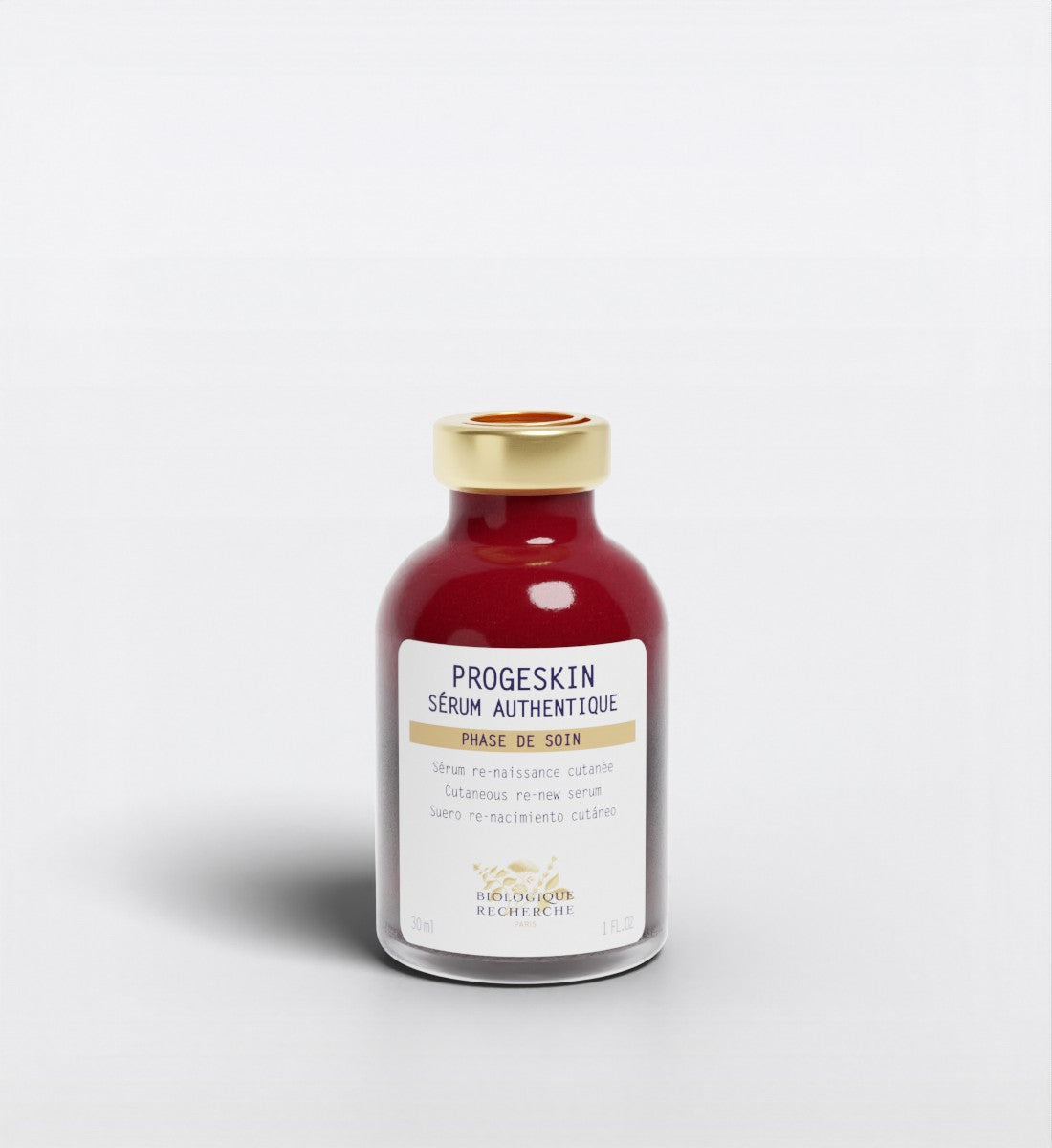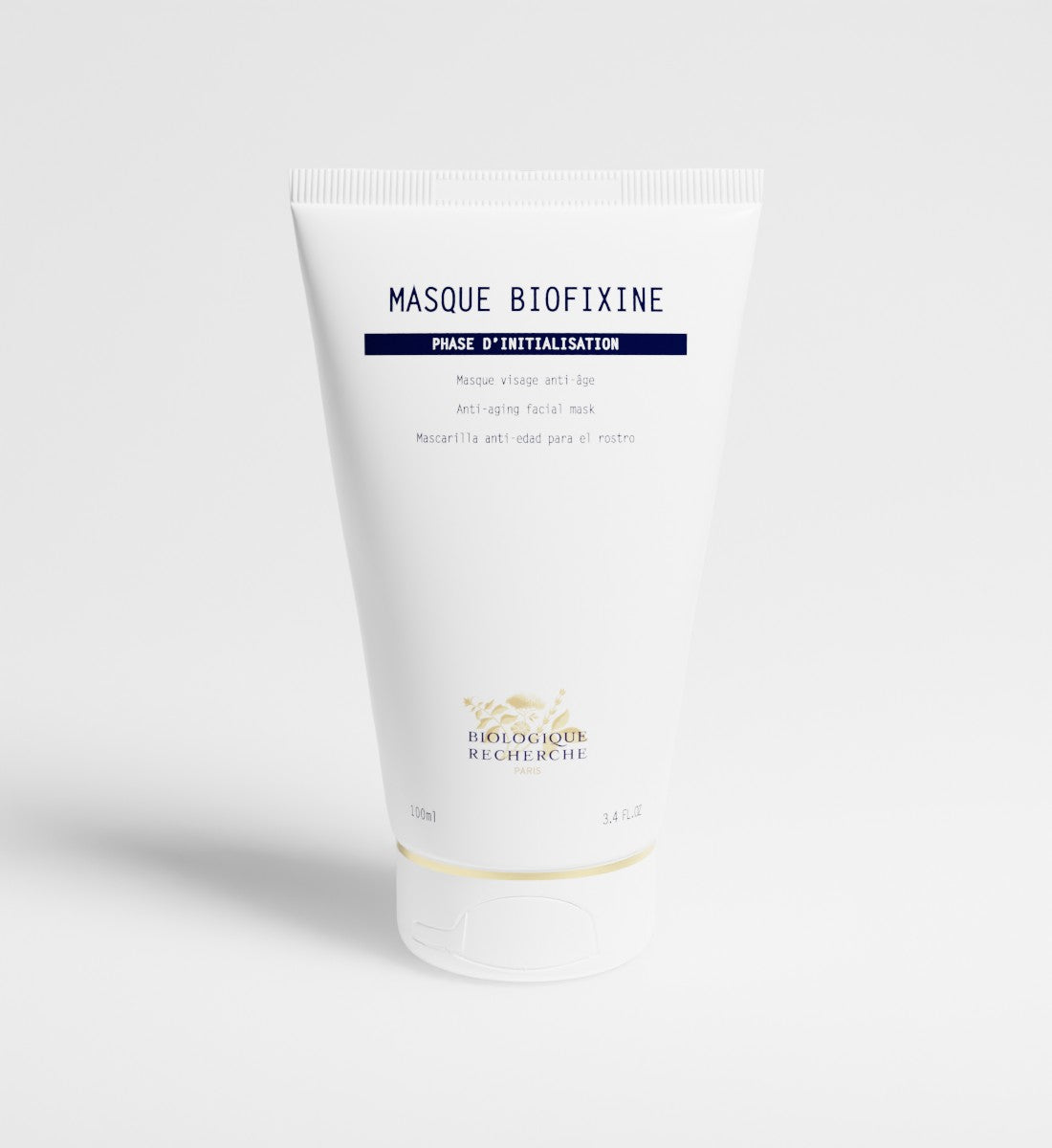




Whether you are considering trying to get pregnant, or have found yourself in the first trimester, you've probably already found the lists. You know, the ones that tell you to avoid retinol, avoid hydroquinone, avoid salicylic acid above 2%, avoid, avoid, avoid. They're not wrong, exactly, but they also don't tell you the thing you actually want to know: what do I use instead? This is a question we often get from clients as they begin their pregnancy journey, so, we're answering it here where you can refer back to it whenever you need. Rather than giving you a list of ingredients to fear, we want to give you usable recommendations on what you can use at each stage from the moment you start trying to conceive through to the third trimester and beyond. We see the effects of pregnancy on real skin, month after month, and the pattern is pretty consistent: your skin doesn't change once during pregnancy, it changes in phases, and in each phase, your skin asks for something a little different. Studies of pregnant women have found that the majority experience some kind of physiological skin change, and hyperpigmentation is by far the most common one¹. If your skin feels like it's doing something new and slightly unpredictable, it isn't just you, and it isn't a sign anything is wrong. If you only remember one thing, remember this: what you're experiencing is common, and we are here to help! Why Your Skin Changes During Pregnancy Before we get into the stages, it helps to understand why any of this is happening in the first place. During pregnancy, hormones such as estrogen and progesterone levels rise significantly and can contribute to many of the skin changes women experience¹. Progesterone increases oil production, which is why so many people notice a shift toward oilier, more reactive skin early on. Estrogen affects collagen and water retention, which is part of why skin can look plumper in the second trimester and then feel tighter as it stretches later on. And a melanocyte-stimulating hormone rises too, causing the pigmentation changes so many people notice by the second trimester. None of this is random, and none of it means your skin is ‘misbehaving’, as we hear so many people put it. This is your skin responding exactly the way it is designed to respond to a completely new hormonal environment. Knowing that tends to take some of the anxiety out of it. And, the good news is that because this is a known and well-documented pattern, there are solutions and products available to support you. Trying to Conceive & First Trimester: The First Shift If you've come off retinol the moment you started trying, you already know the effects: oil production increases, reactivity spikes, and breakouts can show up in places they haven't visited since your teenage years. It's disorienting, especially if you'd finally landed on a skincare routine that works. Just remember: this phase is temporary, and during it, your skin responds really well to restraint. The goal isn't to replace your retinol with something equally aggressive. It's to support the barrier while your skin recalibrates. What we recommend: A gentle, milky cleanser. Anything that leaves your skin feeling tight or squeaky-clean is working against you right now, not for you. Read more about why we love milky cleaners →Try Biologique Recherche’s Lait S.R. It's a milky, sebum-regulating cleanser that clears away the day without ever leaving skin feeling tight or stripped. Gentle Exfoliation. This is not the time to throw in the towel on exfoliation entirely. It's the time to switch to something gentle and consistent, like a low-percentage lactic or mandelic acid used a few times a week, instead of anything aggressive or retinoid-adjacent.Try Biologique Recherche’s Masque Vivant. Its lactic acid gently resurfaces and rebalances oil production without the aggression of a daily acid toner. A barrier-support serum, rather than an active-forward one. Ceramides, peptides, and hydrating humectants do more for reactive, first-trimester skin than anything exfoliating.Try Biologique Recherche’s Gel ADN Silkgen. A fresh, silky fluid that does one job well: keeping skin hydrated, with zero actives to worry about. Patience with the breakouts. Spot-treating with a pregnancy-safe azelaic acid formula tends to calm active spots without the irritation that comes with benzoyl peroxide at higher strengths.Try Biologique Recherche’s Serum Vivant. Serum Vivant is a daily blemish-focused serum built on yeast extract, inulin, and other microbiome-supporting ingredients. It targets active breakouts and redness directly, without any drying or irritation. In the treatment room, this is when we slow everything down. Extractions get gentler, actives get swapped, and pressure gets adjusted. We're not looking to make huge changes to your routine, we're adjusting what you already have to fit what your skin needs in this trimester. Second & Third Trimester: Pigmentation Takes the Lead Role Somewhere around the second trimester, the starring skin concern shifts. Oil and breakouts often settle down, and pigmentation moves to center stage. This is the stage where melasma (sometimes called the "mask of pregnancy") tends to show up, and it's more common than most people expect. Depending on the population studied, research puts melasma prevalence during pregnancy anywhere from around 15%² to as high as 70%³, with hormonal shifts and sun exposure both playing a role. Add in skin that's stretching and tightening as your body changes, and heightened sun sensitivity on top of it, and it's a lot to manage at once. What we recommend: A brightening serum built on pregnancy-safe actives. Vitamin C, niacinamide, azelaic acid, and tranexamic acid are all good options. Hydroquinone is the one to sit out until after you're done breastfeeding.Try Biologique Recherche's Serum PIGM 400. A daily serum, built around watercress sprout extract, soy-derived genistein, and sea lily extract to actively limit new dark spots while fading what's already there. A rich, hydrating cream. As skin stretches, it needs more lipid support, not less. This is not the moment to switch to something lightweight just because it's warm out.Try Biologique Recherche’s Crème Masque Vernix VG. Rich in ceramides and peptides, it's the kind of barrier-repair cream skin can lean on daily without ever feeling heavy. Mineral SPF, and a lot of it. This is the single best thing you can do for pregnancy-related pigmentation. Sun exposure is one of the main drivers of melasma getting worse, and a broad-spectrum mineral formula (zinc oxide or titanium dioxide) is the pregnancy-safe gold standard. Find one you like the finish of, because the SPF you will use consistently and reapply is the one that works best.Try Solara Suncare’s Guardian Angel Super Peptide Sunscreen SPF 50. A 12% non-nano zinc oxide formula that gives real broad-spectrum protection with a lightweight, serum-like finish that makes reapplying it easy. Realistic expectations. Brightening actives can slow new pigmentation and soften what's there, but full correction usually has to wait until postpartum, when your ingredient options open back up. Postpartum: Patience Becomes Part of the Routine If anyone tells you your skin snaps back the moment the baby arrives, they haven't been through it. Hormones take time to recalibrate. Dryness can linger longer than you'd expect, especially if you're breastfeeding. And any pigmentation that showed up during pregnancy tends to fade slowly. What we recommend: Gentle, consistent hydration. A barrier-repair moisturizer used daily, without skipping days when things look "fine."Try Biologique Recherche’s Crème Masque Vernix VG. Rich in ceramides and peptides, it's the same barrier-repair cream that supported your skin through the third trimester, and postpartum skin needs exactly that same steady support to recalibrate. A slow reintroduction of actives. Once you and your provider have confirmed what's appropriate for your feeding choices. Retinol and higher-strength acids can typically come back into rotation, but there's no rush, and we often recommend reintroducing them slowly.Try Biologique Recherche’s Lotion P50T. It's the gentlest entry point in our P50 range, making it the natural first step back into acids once your provider has cleared you and your feeding choices are settled. Consistency over intensity. Don’t start too aggressive. This is the phase for steady, reliable care that gives your skin room to recover on its own timeline. The start of each stage can be the perfect moment to come in for a facial. A professional assessment can tell you what's happening under the surface, what's a hormonal shift, what's leftover pigmentation, and what's just needing a little TLC. Our favourite facials for pregnancy You might notice we don't have a treatment on our menu called the "Pregnancy Facial." That's not an accident. Every facial at Skin & Tonic is customized around what your skin is doing that day. That's true whether you're 28 weeks pregnant, six weeks postpartum, or none of the above. When your skin changes, your treatment changes with it. Our estheticians are trained to adjust technique, pressure, and product selection for pregnancy and postpartum skin as a matter of course, which means there's no separate service to search for and no box to check. You tell us where you are in your journey: trying to conceive, first, second, or third trimester, or postpartum, and we take it from there. That said, a few practical notes for anyone booking with us during this stretch: most chemical peels above a gentle maintenance strength get paused or modified. However, treatments like Dermasweep are still very much on the table and can even help with melasma. And if you're looking for a specific treatment but not sure if it’s appropriate, just ask when you book! We'd rather help you find the right treatment ahead of time. Some extra helpful tips for pregnancy safe skincare A couple of things worth mentioning, because we'd rather you hear them from us than piece them together from a dozen different sources: Retinoids (retinol, tretinoin, adapalene) are the one category with real consensus around avoiding during pregnancy and while breastfeeding. Everything else on the "avoid" lists (think chemical exfoliants, most vitamin C, physical SPF, most peptides) has pregnancy-safe replacement options to consider using instead of just skipping the step entirely. "Safe" doesn't mean "does nothing." A gentle routine, applied consistently, still supports your skin health. No one should have to put their skincare on pause for nine months or more. Your skin, your provider, your call. We're happy to talk through what we're seeing when we look at your skin in the treatment room, but any product or ingredient question with real medical weight belongs with your OB or dermatologist, especially if you're managing a specific skin condition alongside pregnancy. FAQs Is it safe to get a facial while pregnant? Yes, in almost all cases. The adjustments are in the details like product selection, positioning, and which techniques we skip, not in whether you can come in at all. What ingredients should I avoid completely during pregnancy? Retinoids have the most consensus to remove. Hydroquinone and high-strength salicylic acid (above about 2%) are typically avoided too, along with a small handful of essential oils. Beyond that, most "avoid" lists are more cautious than the evidence actually requires, making a conversation with your esthetician far more useful than a blanket list. When does pregnancy skin usually go back to normal? The short answer: it varies. Oiliness and breakouts often calm down within a few months postpartum. Pigmentation is the slower one. It can take months to fade and, for some people, never fully disappears without targeted treatment once breastfeeding ends. Can I still use my skincare products while trying to conceive, before I'm officially pregnant? Most people treat "trying to conceive" the same as early pregnancy for skincare purposes, since you may not know you're pregnant right away. If you're actively trying, it's a reasonable time to start easing off retinoids rather than waiting for a positive test. Do I need different products for each trimester, or can I use the same routine the whole time? You can absolutely simplify and use one gentle, barrier-supportive routine the entire time. The stage-by-stage recommendations here are about what tends to help most at each point, not a requirement to keep switching products every few months. Is melasma permanent? Not usually, but it can be stubborn. Some fading happens on its own in the months after delivery as hormone levels normalize, though a meaningful share of cases persist for years without treatment. Once you're done breastfeeding, options like hydroquinone, stronger peels, and certain lasers reopen, and that's typically when we see the most noticeable improvement. In the meantime, consistent SPF is what keeps it from getting worse. What about stretch marks, itching, and everything below the neck? Everything above applies mostly to the face, but the same hormonal shifts affect your body too. Hydration is the main lever for both stretch marks and pregnancy-related itchiness. Keeping your body moisturized daily will help, but for stubborn areas it is worth speaking to an esthetician about. If itching becomes severe rather than mild, that's worth a call to your OB, since it can occasionally signal something that needs medical attention rather than a skincare fix. If you're navigating any of this and want a second set of trained eyes on what your skin needs right now, book a consultation or come in for a facial. We'll help you give your skin what it needs to navigate the challenges of pregnancy. Stay glowing, Robin & Lori ¹ https://pmc.ncbi.nlm.nih.gov/articles/PMC4689069/² https://my.clevelandclinic.org/health/diseases/21454-melasma ³ https://www.medboundtimes.com/medicine/melasma-during-pregnancy-causes-treatments
Learn more
Summer is when your skin gets to show off. Longer days, more time outdoors, that natural glow starting to peek through. But there's one thing that can throw off an otherwise gorgeous summer complexion: pigmentation. At Skin & Tonic Raleigh, we love this time of year because it's actually the best window to get ahead of sun spots, dark marks, and uneven tone before they have a chance to set in. The clients who understand what's driving their pigmentation, and treat it strategically, are the ones who walk into fall with the clearest, brightest skin of the year. So let's talk about what hyperpigmentation is, why summer plays such a big role, and exactly how to keep your skin glowing all season long. What is Hyperpigmentation? Hyperpigmentation is a catch-all term for any area of skin that appears darker than the surrounding skin. It happens when melanin (the pigment that gives skin its color) is produced in excess in certain areas. There are a few different types of hyperpigmentation, and knowing which one you're dealing with makes all the difference when it comes to treating it: Sun spots (also called solar lentigines or liver spots) are flat, brown or tan patches that appear on areas with repeated sun exposure. Think cheeks, the bridge of the nose, hands, and forearms. They tend to deepen every summer and fade slightly in winter, which is your skin literally showing you the sun's cumulative impact. Post-inflammatory hyperpigmentation (PIH) is the dark mark left behind after a breakout, a scratch, or any kind of skin trauma. It's especially common in deeper skin tones and can linger for months if not addressed properly. Melasma is hormonal in origin, often triggered by pregnancy, birth control, or hormonal fluctuations, and made significantly worse by UV exposure. It usually appears as larger, symmetrical patches across the forehead, cheeks, and upper lip. Did you know that all three can overlap? Many clients have more than one type of hyperpigmentation happening at the same time which is exactly why a one-size-fits-all approach to treating pigmentation rarely works. Why does summer make hyperpigmentation worse? Melanin is your skin's built-in defense system. When UV rays hit the skin, melanocytes (the cells responsible for producing melanin) are stimulated to protect you. For most people, that produces a tan. For skin that already has pigmentation concerns, it produces more uneven color, deeper spots, and a patchwork effect that feels impossible to control. The tricky part is that the damage often isn't visible right away. Unlike sunburn which shows up right away, UV exposure builds up slowly over time, with the damage often going unnoticed for months. By the time you do notice, the melanin has already been stimulated and deposited in the deeper layers of skin. That's why waiting until dark spots appear to start treating them will have you playing catch up. Summer also brings more heat, and heat independently stimulates melanin production. So even on a cloudy day, even with incidental exposure from driving or sitting near a window, pigmentation can deepen. What are the best treatments for hyperpigmentation? Effective hyperpigmentation treatments work on two levels: First, they suppress melanin production at the source. Second, they help clear existing pigment from the skin. When you only do one without the other, results are slow and inconsistent. Here is what we reach for at Skin & Tonic: Targeted exfoliation is the foundation. You cannot fade what you cannot resurface. Gentle but consistent exfoliation encourages cell turnover, which helps bring newer, clearer skin to the surface over time. The key word is consistent. Occasional exfoliation doesn't give results. Regular exfoliation is what makes a real difference. The Laser Serum from Lenox and Sixteenth is one of our current favorites for exactly this reason. Its triple acid concentrate (glycolic, lactic, and mandelic) resurfaces and clarifies without aggravating sensitive or reactive skin. Melanin-inhibiting ingredients go to the source to help minimize the problem. Think Vitamin C, mandelic acid, glycolic acid, and niacinamide. These ingredients interrupt the chain of events that leads to excess melanin production, helping prevent hyperpigmentation. Sheet masks are massively underrated for pigmentation. Masque PIGM400 from Biologique Recherche is a product we recommend constantly, and it earns that recommendation every time. Easy to use, visible results, and it works for virtually every skin type. It's one of the best ways to give your skin a concentrated dose of brightening actives at home between treatments. Professional treatments are a game changer. Our DermaSweep Exfoliating Treatment uses the DermaSweep machine to deeply exfoliate and infuse melanin-inhibiting serums directly into the deeper layers of the skin. Paired with professional masking, the results are significantly faster than home care alone. If summer pigmentation is something you deal with year after year, then be sure to bring it up with your esthetician. The role of SPF in preventing hyperpigmentation We will say this every month until it sticks: treating pigmentation without daily sun protection is like mopping the floor with the tap still running. Every brightening serum, every professional treatment, every at-home mask you invest in is going to be far less effective if your skin is getting unprotected UV exposure. SPF is not just prevention. For anyone dealing with active pigmentation, it is part of the treatment. We recommend a zinc-based mineral sunscreen with SPF 50, used every single morning, reapplied if you're spending time outdoors (including in the car). Look for formulas that also include HEV protection, because high-energy visible light (the kind emitted by screens, not just the sun) can also trigger melanin production. The good news is that mineral sunscreen has come a long way. The days of white cast and heavy texture are largely behind us. There are beautiful, wearable options that sit well under makeup and feel good on the skin. Our favorites are Solara Suncare and Suntegrity. When should you start treating hyperpigmentation? If you want your skin to look noticeably clearer by the end of summer, the time to start is now! The earlier in the season you can start working on suppressing melanin activity, staying consistent with protection and prioritising targeted home care, and booking a treatment or two before peak summer heat means you're working with the skin's natural cycle rather than chasing it. One more thing: if you've been dealing with pigmentation for years and feel like nothing has made a real dent, please come in and talk to us. Pigmentation is one of the most treatable skin concerns we see, but it does require a customized plan and consistency. Generic products and inconsistent routines are usually why results stall. Your skin is capable of so much more than you think. It just needs the right support to look its best all year ‘round. Stay glowing, Robin & Lori
Learn more
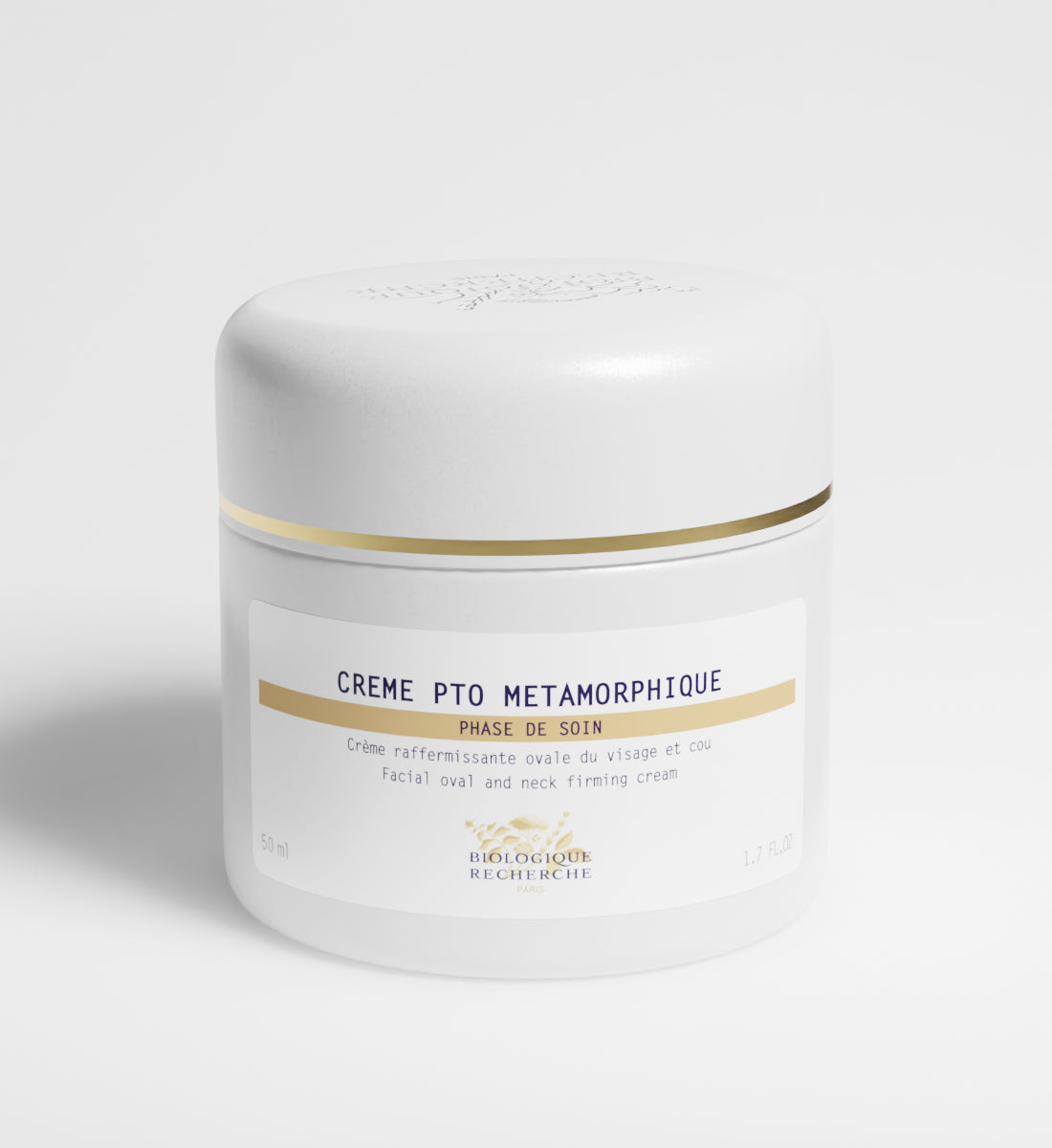
You've probably caught yourself googling it. Maybe you've even booked a consultation somewhere. And honestly? There's zero judgment here. The desire to look and feel like yourself, only a little more rested, a little more lifted, a little more you, is completely valid. But here's what we want you to know, straight from the treatment room: there is a path to younger-looking skin that works with your face, not on it. One that builds results over time, supports your skin's natural biology, and leaves you glowing in a way that makes people ask what you've been doing differently. That path brings you right to our studio. At Skin & Tonic, we have been in the business of healthy, radiant, age-defying skin for over 28 years. We look to combine the tried and true methods with new technology and we are confident in 3 particular treatments. We're talking firmer skin, smoother texture, brighter tone, and real visible lifting. No drama. No downtime. Just beautiful, healthy, youthful looking skin. We know what you’re about to ask. We are talking about the anti-aging trio of Dermasweep, Microneedling, and Bio Visage. If you're curious whether one (or all three) might be right for you, book a consultation with us and we'll map it all out together. But first, let us walk you through what each one does and why we love them so much for anti-aging. Why Consistent Professional Facials Are a Serious Anti-Aging Strategy Starting in your 40s and continuing through your 50s and beyond, your skin goes through some significant shifts. Collagen production slows down, which means less firmness and more fine lines. Elastin fibers diminish, making skin less resilient. Oil production decreases. Cell turnover slows. The result? Skin that can look dull, tired, and less defined than it used to, even when your lifestyle is great. Unlike at-home skincare, professional facials work at a deeper level, stimulating the processes your skin needs to function optimally. When done regularly, they create compounding results. Each treatment builds on the last. Your esthetician tracks how your skin is responding. Adjustments are made at each appointment to help you achieve your skin goals. Over months and years, the cumulative effect is skin that not only looks better now, but ages more gracefully over time. This is what we call the longevity approach to skincare. And it has been our philosophy at Skin & Tonic from day one, long before longevity became a buzzword. Now, let's talk about the three treatments leading the charge. Dermasweep: The Resurfacing Treatment That Hits Refresh If your skin is looking a little dull, a little uneven, or just not quite as bright as it used to, Dermasweep is often the place we start. Once you experience it, you will completely understand why it is one of our most popular treatments. What is Dermasweep? Dermasweep is a next-level micro-resurfacing treatment that goes well beyond traditional microdermabrasion. Instead of the old-school diamond-tip or crystal methods (which could be scratchy, irritating, and inconsistent), Dermasweep uses innovative nylon bristle technology that is both more precise and more comfortable. The result is a deeply effective exfoliation experience that your skin will genuinely love. How Dermasweep Works A Dermasweep treatment gently lifts away the top layer of dead skin cells using the bristle wand and a controlled vacuum suction that stimulates blood flow and oxygenation. This is important because increased circulation is actively nourishing your collagen, which matters enormously for anti-aging. Once the skin is thoroughly exfoliated and prepped, customized serums can be infused directly into the skin, targeting your specific concerns. At Skin & Tonic, those serums are formulated with cutting-edge ingredients, from our hydrating hyaluronic acid to our brightening melanin-inhibiting blends. Every Dermasweep session follows four to five tailored steps: a detailed consultation, thorough cleansing, exfoliation, an optional serum infusion, and post-treatment care. The whole treatment takes around 30 minutes. And the results? Smoother texture, more even tone, visibly minimized fine lines, and skin that is significantly better primed to absorb everything you put on it at home. Dermasweep Results For anti-aging specifically, consistent Dermasweep sessions help reverse the dullness that builds up as cell turnover slows, encourage fresh skin cell growth, and keeps the surface of your skin looking refined and luminous. Think of it as your skin's monthly reset button. Want to know more? Microneedling: The Collagen Wake-Up Call Your Skin Has Been Waiting For If there is one treatment in our studio that consistently makes clients stop and stare at their own reflection, it is our Micro Puncture Lab. If you haven’t tried it before, the results speak for themselves. One treatment and you’ll be converted! What is Microneedling? Microneedling works at a deeper level than surface exfoliation. It creates controlled micro-channels in the skin that trigger your body's natural healing response, which means a significant surge in collagen and elastin production. This is the mechanism that makes it so powerful for anti-aging. You are not just treating what is on the surface, you are stimulating the very building blocks that keep skin firm, plump, and resilient from within. "Reimagine your skin's future with our exclusive Microneedling. This gentle, results-driven service stimulates collagen, refines skin texture, and helps you achieve that coveted 'just had a facial' glow without any invasive procedures or downtime. It's a unique alternative to injectables, perfect for busy lifestyles and naturally radiant results." ~ Robin How Microneedling Works At Skin & Tonic, our Micro Puncture Lab pairs this collagen-stimulating treatment with Biologique Recherche's Cocktail d’Actifs Regenerants Serum, a highly active, scientifically formulated serum designed specifically for microneedling. During the session, nutrient-rich serums are infused deep into the skin through those micro-channels, replenishing moisture and enhancing the skin's natural barrier. The combination delivers results that go far beyond what surface treatments alone can achieve. Microneedling Results After microneedling, skin texture becomes noticeably smoother and more refined, with pores appearing smaller and the skin taking on a softer, more polished feel. Pigmentation and sun damage fade significantly as the treatment promotes the skin's natural healing process and encourages more even cell renewal. Firmness and elasticity improve as collagen and elastin production increases, reducing the appearance of fine lines and restoring a naturally lifted, plumper look. Hydration levels also increase noticeably, with the skin looking brighter and more revitalized, our clients leave the studio genuinely glowing. Microneedling is a long-term tool to improve skin health, which means a series of treatments will deliver the most significant transformation. But, many clients do notice a visible difference after their very first session. It is a gentle, non-invasive service with no downtime required, making it ideal for busy women who want serious results without having to schedule recovery time. If maintaining firmness, fading pigmentation, and rebuilding your skin's foundation sounds like exactly what you need right now, this is the treatment we want you to experience. Want to know more? Bio Visage: The Non-Surgical Lift You Didn't Know Existed What is Bio Visage? Bio Visage is an advanced electrotherapy facial that uses the synergy of specific microcurrents and active botanical extracts to do something remarkable: it restores cellular activity, tones and tightens the muscles beneath the skin, and delivers immediate visible lifting and firming. And, by aiding in lymphatic detoxification, Bio Visage can help remove dullness, stagnant residual breakouts and most importantly excess fluid and puffiness. It is sometimes called a non-surgical facelift, and once you experience it, you will wonder why there aren’t more people talking about it! How Does Bio Visage Work? The technology works by delivering targeted microcurrents that normalize skin functions without damaging or dehydrating. Those microcurrents, combined with the botanical actives, oxygenate the complexion (hello, brightness), fade redness and dark circles, and provide a gentle but genuine lifting effect by restoring contractibility to each individual muscle fiber in the face. The end result is a face that looks completely restructured. Wrinkles are visibly filled. Contours are more defined. The skin is firmer, more toned, and undeniably more radiant. Bio Visage Results What we particularly love about Bio Visage for our clients is how comprehensive the results are. Through consistent sessions, you can expect improvement in the appearance of fine lines and wrinkles, noticeably firmer and more toned skin, a detoxified complexion, reduction in pimples, redness, and dark circles, improvement in pigmentation, and smoother skin with a more even tone. It is also a completely pleasant and relaxing experience. No discomfort. No downtime. Just deeply effective, technology-driven care that leaves your skin looking like the best version of itself. Bio Visage is an especially beautiful option for women who are starting to notice changes in facial contour and firmness, and who want a treatment that addresses those concerns at a structural level without any invasive procedures. When your skin needs more than surface-level care, this is the treatment that delivers. Want to know more? How to Combine All Three for Maximum Results Each of these three treatments works differently, targets a different layer of the skin, and addresses a different aspect of the aging process. When you understand that, you start to see why rotating or combining them strategically can produce results that truly rival far more invasive approaches. This is how we like to think of it: Dermasweep works at the surface. It keeps the skin clear, bright, and perfectly primed. It removes the barrier between your skin and the products and treatments trying to work on it, making everything else you do more effective. Microneedling works deep. It goes beneath the surface to stimulate the collagen and elastin production that keeps skin firm, plump, and structurally healthy over time. Bio Visage works at the muscular and cellular level. It lifts, tones, and restructures from within, addressing the loss of facial contour and firmness that purely topical treatments cannot reach. Together, they cover the full spectrum of what skin needs to look glowy, youthful and healthy, not just at one moment in time, but consistently and increasingly over months and years. This is exactly why a consultation with one of our estheticians makes such a difference. We don't prescribe the same treatment plan for every face. We assess your skin in real time, understand your specific concerns, and build a strategy around what your skin actually needs right now and where you want it to be long term. What to Expect at Your First Appointment If you are new to Skin & Tonic, or facials as a whole, here is what you should know before you come in. Every single treatment at our studio starts with a detailed consultation. We want to understand your skin's history, what has worked, what hasn't, and what your goals are. We listen carefully, because the treatment we recommend for you needs to be right for your skin, not what is popular or trending. Our estheticians assess your skin in real time, considering factors like hydration levels, sensitivity, inflammation, lifestyle, and environment. That thorough assessment is what allows us to customize your treatment and ensure you are getting exactly what your skin needs that day. And if something isn't right for your skin right now? We will tell you, and find an alternative to help you glow. We are here to guide you, not sell you things you don't need. That has always been how we operate, and it is not something we are ever going to change. The Bottom Line Younger-looking, firmer, brighter, more radiant skin is absolutely achievable without invasive treatments and injectables. With the right treatments, done consistently, by estheticians who truly know skin, the results speak for themselves. Dermasweep keeps your surface luminous and your skin perfectly primed. Microneedling rebuilds your collagen foundation from the inside out. Bio Visage lifts, tones, and restructures at a level most people didn't know a facial could reach. Together, they create a comprehensive, strategic, genuinely effective approach to anti-aging that works with your skin's own biology. This is not about quick fixes or chasing trends. It is about building a long-term relationship with your skin, understanding what it needs as it changes, and showing up for it consistently. That is what creates results that last. If you are ready to build your personal anti-aging strategy, we are ready to help you. Book your facial at Skin & Tonic Raleigh and let's figure out exactly where to start together. Xoxo Robin & Lori
Learn more