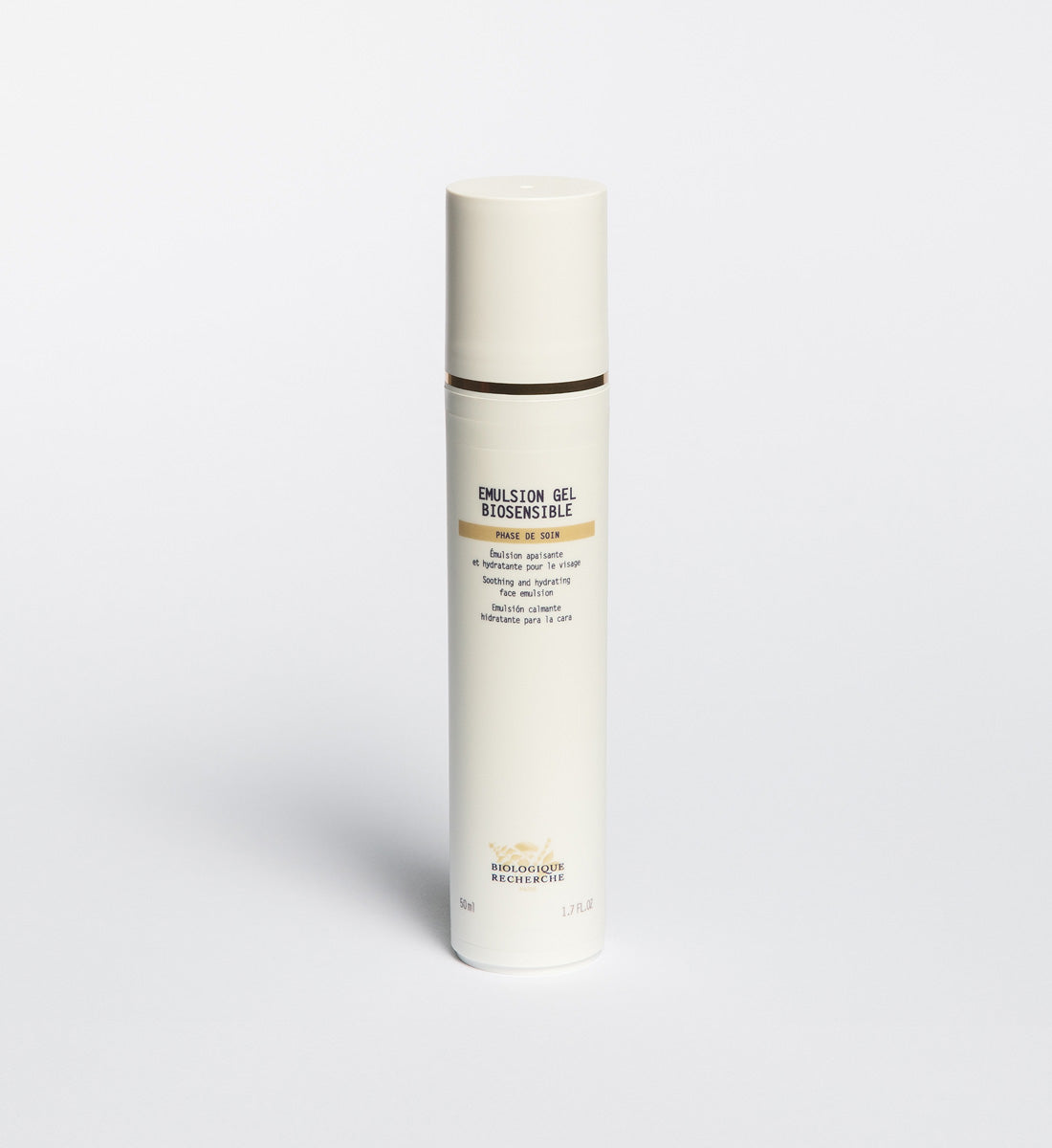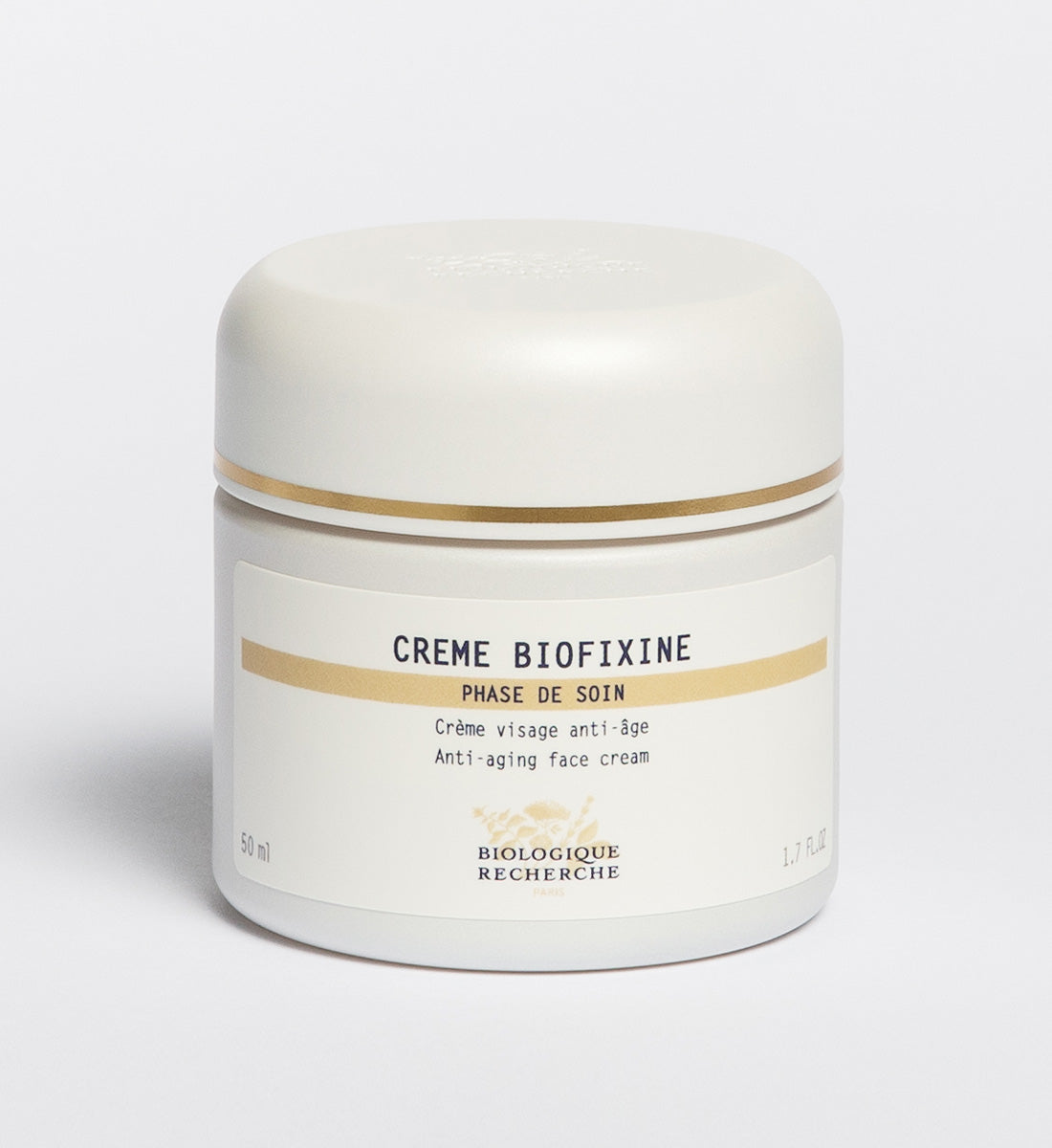



Why Biologique Recherche?
Related Posts

Why Fall Is the Best Season for Microneedling and Dermasweep
Have you been thinking about trying microneedling or Dermasweep? We have some great news, October is the month we most love to begin one of these treatment series at skin&tonic. A Raleigh summer asks a lot of your skin. Months of heat, humidity, pool days and strong sun tend to show up in September as dullness, uneven tone, new dark spots and a rough, congested texture. The good news is that fall gives you the ideal window to correct all of it, and our two favorite resurfacing treatments are built for exactly this job. Why fall is the best time for resurfacing treatments Freshly treated skin is more sensitive to the sun, and the sun is exactly what we want to keep away from new results. Fall makes that far easier. Here is why we steer clients toward starting a series now: Gentler sun. Your sun exposure is less intense in fall than in June or July. Freshly renewed skin is better protected, and pigment you are working to fade is less likely to be re-triggered. Less heat and sweat. Cooler days mean less sweating and less irritation in the day or two after treatment, so your skin can settle calmly. Fewer outdoor plans. Beach trips and long lake days are behind us. It is simply easier to follow your post-care instructions in October than in July. Summer damage is fresh. The sun spots, dullness and texture from summer are sitting right on the surface. This is the moment to treat them, before winter dryness piles on. Perfect timing for the holidays. Both treatments work best as a series. Starting in October means you finish with your best skin just as the parties, photos and family visits begin. Microneedling in the fall: rebuild collagen from the inside out Our Micro Puncture Lab is the treatment we reach for when you want to rebuild, not just refresh. Tiny sterile needles create controlled micro-channels in the surface of the skin. This triggers your skin's own collagen and elastin production, which is why microneedling is often called collagen induction therapy. It is especially good for the things summer leaves behind: sun damage and pigmentation, uneven texture, enlarged-looking pores, fine lines and low-level acne scarring. What makes our version different is that it is shallow, comfortable and is enhanced by Biologique Recherche Cocktail d'Actifs Régénérants. You do not need numbing cream, and you do not need to hide at home for 48 hours afterward. Each treatment includes: A cleanse, lymphatic drainage massage and exfoliation The Biologique Recherche Cocktail d'Actifs Régénérants, a serum made specifically for microneedling, with more than 56 active ingredients. You take the rest of the bottle home to use the next day. The Collagen Féerie mask and cryosticks to cool, calm and drench the skin in hydration Why book Microneedling in fall: you will be pink for the evening, and the redness is usually gone by the next morning. Those first hours are when new skin is most vulnerable to sun and heat. A cool October evening at home is a much easier recovery than a humid summer night, and the milder sun in the weeks after protects the collagen you are building. Dermasweep in the fall: sweep away summer and let the glow back in Dermasweep is modern microdermabrasion, and it is one of our most requested treatments. Instead of crystals, it uses soft bristle tips and a gentle vacuum to lift away the dull top layer of dead skin. That suction also boosts circulation and oxygen flow, which helps nourish your collagen. Right after exfoliation, when your skin is most receptive, we infuse serums chosen for your concerns, from hydrating hyaluronic acid to our Red Carpet Ready blend. It is ideal for dullness, fine lines, breakouts and hyperpigmentation, and it is comfortable enough for most sensitive skin. Why book Dermasweep in fall: Dermasweep has no real downtime, but your post-care still asks you to avoid direct sun for a little while. It also works best as a series of three to six treatments, spaced about 10 to 14 days apart. In the fall, you can stay consistent without juggling vacations and pool days, and every session goes further when your skin is not fighting the summer sun between visits. If you want the full experience, our People's Choice Facial pairs Dermasweep with a complete Biologique Recherche facial and can be customized for acne, pigmentation, dryness, dullness or even rosacea. Microneedling or Dermasweep: which is right for you? The simplest way to think about it: Dermasweep works at the surface, and microneedling works deep. Many of our clients will strategically schedule both over the course of a year. Not sure where you fit? Book a complimentary skin consultation, in person or virtually, and we will map out a fall plan together. Protect your results at home Professional treatments start the change, and your homecare keeps it going. Between appointments this fall, focus on three things: Antioxidants. A daily vitamin C serum helps protect and extend your results. Our Vitamin C Serum Guide explains how to choose one. Daily SPF, even on cloudy days. Fall sun is gentler, but the UV is still there. Keep a broad-spectrum sunscreen from Solara in your routine, and ask us about Serum Spectral. Hydration and barrier support. Cooler, drier air arrives fast in the fall. Read our guide to barrier repair for how to keep skin calm and resilient. Start in October, glow by the holidays Because both treatments build results over a series, it makes sense to consider your starting date. Start a microneedling series in early October with treatments two weeks apart, and your sixth session can land in mid-December. That means you finish with your best skin right as holiday photos begin. Dermasweep is even more flexible. With sessions 10 to 14 days apart, you can start any time in October and still complete a full series before the new year. Everyone’s skin is different, so we will set your exact spacing at your first visit. Holiday weeks fill quickly. Booking your full series now is the best way to hold the dates you want. Fall microneedling and Dermasweep FAQs Is fall really better than summer for microneedling? Yes. Freshly treated skin is more sensitive to sun and heat. Fall's gentler sun and cooler temperatures make recovery easier and help protect your new collagen and brighter tone. Can I still get these treatments in the summer? You can, with careful sun protection. But if you are treating sun spots or pigmentation, fall and winter give you the best odds of results that last. Does microneedling at skin&tonic hurt? No. Our microneedling works at a superficial level, so there is no numbing cream needed. Most clients find it very comfortable, and the cooling Collagen Féerie mask finishes things off beautifully. Is there downtime? Dermasweep has no downtime. After microneedling, you will be pink for the evening, so skip plans that night. The redness is usually gone by the next morning. Do I still need sunscreen in October? Absolutely. UV rays are still present on cool and cloudy days. Daily SPF is the single best way to protect your treatment results. Can I do both treatments? Many clients do. Dermasweep keeps your surface bright and primed, and microneedling rebuilds from within. We will help you decide how to schedule them. Book your fall resurfacing series Fall is the season your skin has been waiting for. Save with our packages: six microneedling treatments come at a 10% savings, and a package of five People's Choice Facials with Infusion comes with a complimentary sixth treatment. Book microneedling · Book Dermasweep · Request a free skin consultation Questions? Call or text us at 919-847-2590, or visit us at 6400 Creedmoor Rd, Suite 105, in Raleigh.
Learn more
Biologique Recherche Quintessential Serums: The Complete Guide
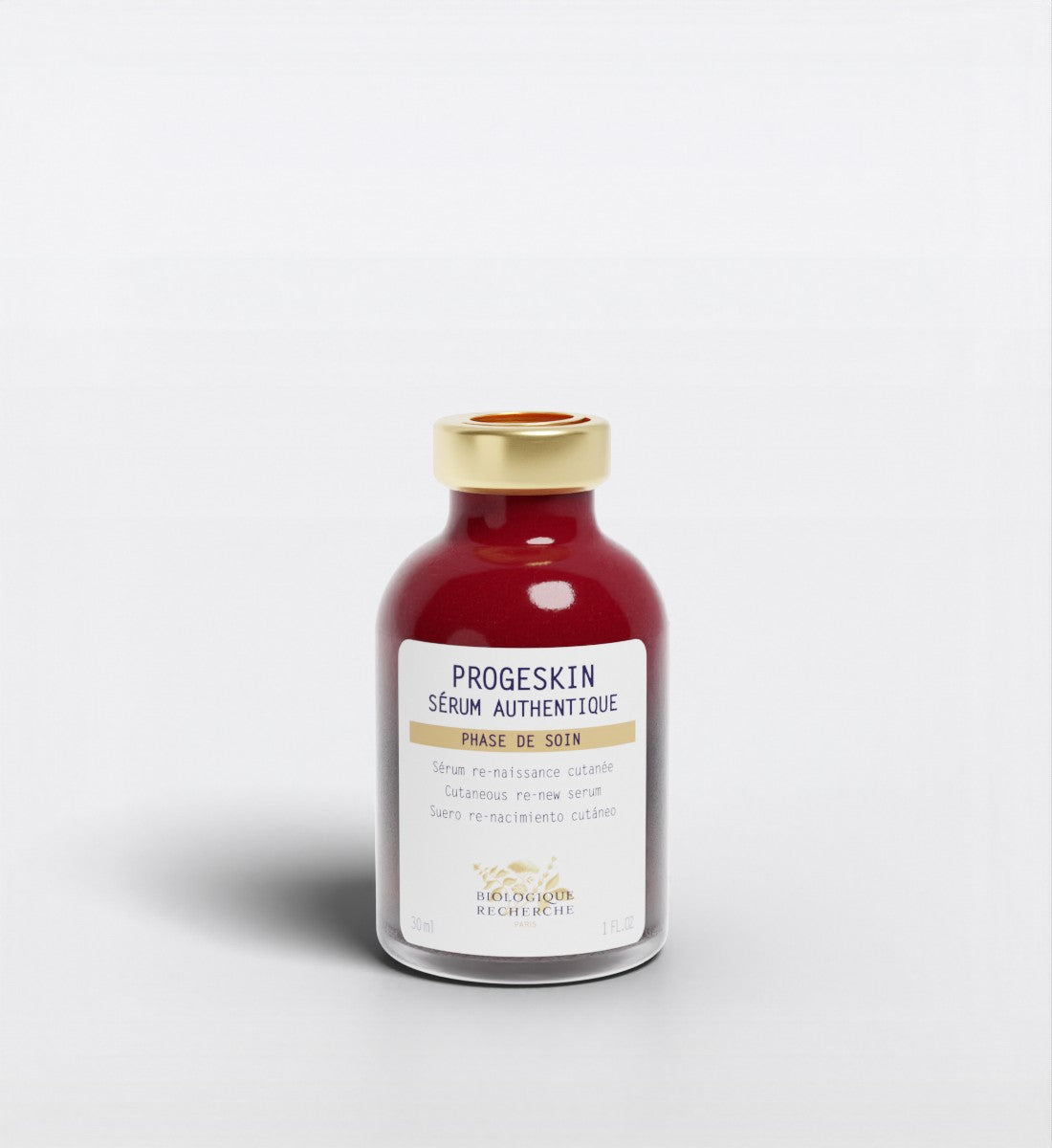
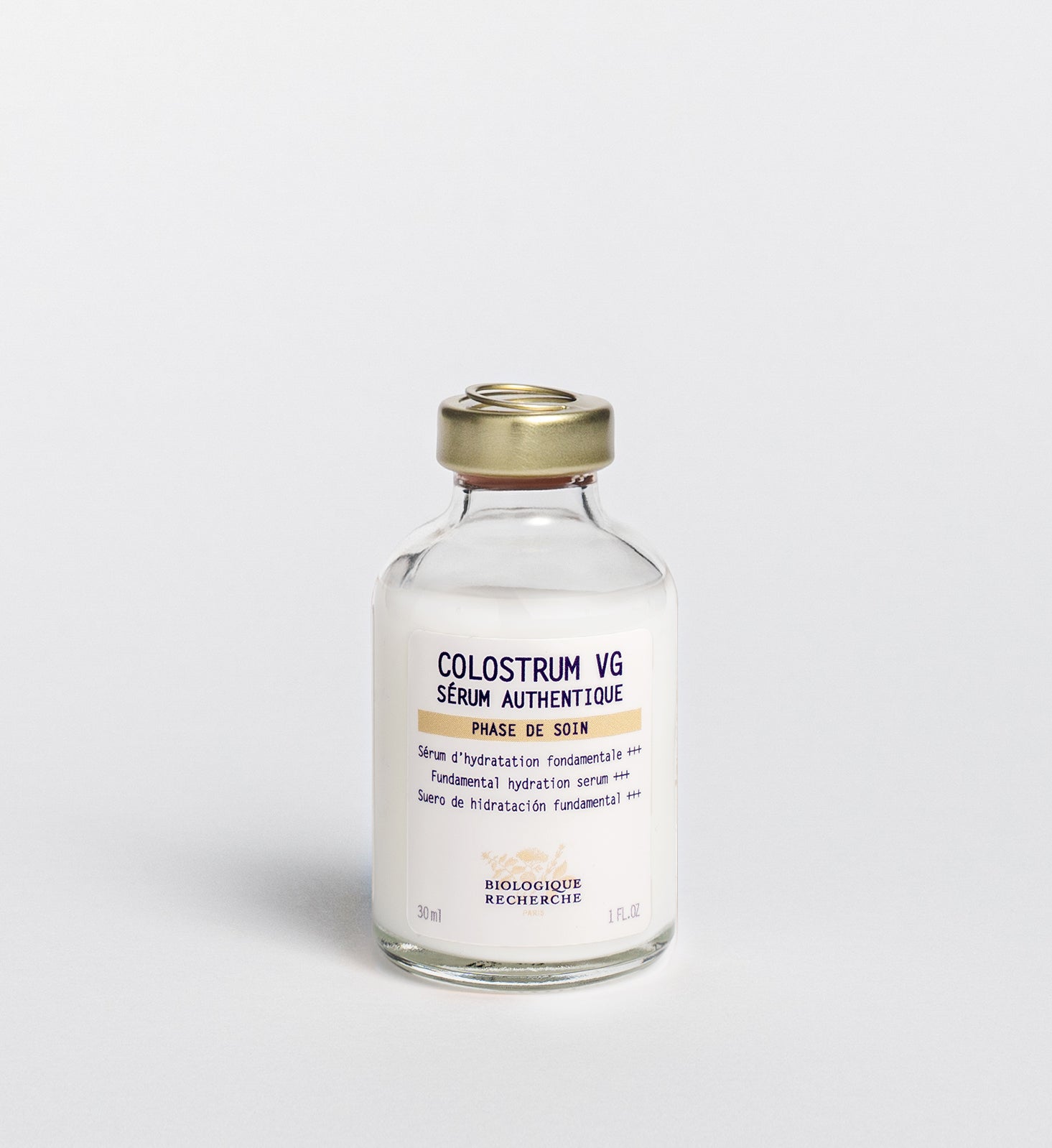
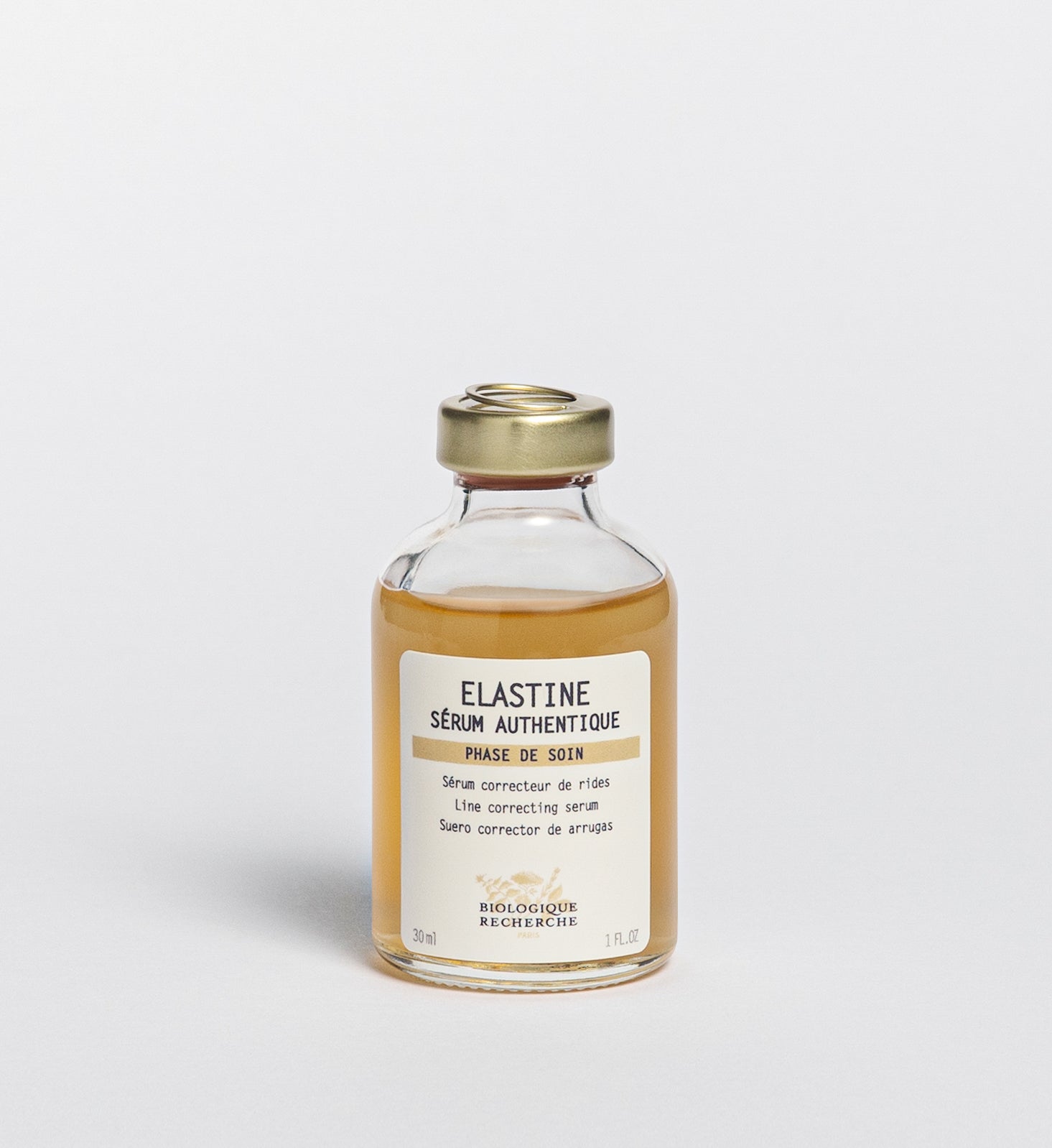
Why these serums sit at the heart of Biologique Recherche Most skincare routines treat your skin as a fixed type: oily, dry, combination, mature. Biologique Recherche starts from a different premise. Your skin changes with the season, your stress, your hormones, even the flight you took last week, so your treatment should change with it. The Quintessential Serums are how that philosophy becomes something you can hold in your hand. They're small, concentrated, single-purpose formulas designed to be chosen, combined and swapped as your skin shifts. If Lotion P50 is the product that made Biologique Recherche famous, the Quintessential Serums are what makes your routine personal. This guide covers what they are, where they fit in your routine, which serum addresses which concern, and how to combine them for results you can see. What are Biologique Recherche Quintessential Serums? Quintessential Serums are the purest formulas in the Biologique Recherche range: water-based treatments built almost entirely from amino acids and short peptides, with the fewest preservatives of any BR product. Three things set them apart from a typical serum: Small molecules: Amino acids and short peptides have a low molecular weight, so they absorb quickly into the upper layers of the skin rather than sitting on the surface. One job each: Rather than a single serum that promises everything, each Quintessential Serum targets one concern: dehydration, loss of firmness, light damage, or fine lines. Built to combine: Because they're so pure, most can be paired with one another. You build a "cocktail" for your skin today, and adjust as your skin changes. The minimalist formula leaves out fillers, fragrances or texture enhancers so there is nothing between your skin and the active ingredients. That's part of why they're among the best-tolerated products in the range, and why they layer cleanly under cremes and SPF. Quintessential vs. targeted serums: Biologique Recherche also makes "targeted" serums and fluides with more complex formulas. Quintessential Serums are the concentrated building blocks; targeted products are more complete treatments in their own right. Both belong to the same treatment step of the routine. Where Quintessential Serums fit in your BR routine Quintessential Serums go on after Lotion P50 and before your creme. The order matters: each step prepares the skin for the next. Cleanse. Remove makeup and impurities with the BR cleanser suited to your skin. Exfoliate and rebalance with Lotion P50. P50 resurfaces and resets the skin's pH, leaving it most receptive to what follows. This is the step that makes the serums work harder. Masque (optional, a few times a week). A treatment masque here deepens the work before serums. Quintessential Serums. Apply your chosen serums to the face and neck while the skin is primed. Creme. Seal everything in with the moisturizer suited to your skin. Finishing Serum. If you are using a finishing serum, this goes on after your creme or moisturizer. SPF (morning). Always the last step during the day. Skipping P50 and applying serums to unprepared skin is the most common reason people feel BR serums "don't do much." If you're new to the brand, start with P50 and one serum before building a cocktail. The Quintessential Serum lineup, by skin concern The range spans more than 20 serums, but most routines are built from a core group. Start with your main concern, then you can build your cocktail over time. Concern Serum What it does Dehydration Sérum Amniotique VG A foundational hydrator that replenishes moisture in the epidermis Very dry, depleted skin Sérum Colostrum VG The most intensely nourishing serum in the range, rich in milk proteins, supports the skin barrier Dullness Sérum Oligo-Protéines Marines Revitalizes and restores radiance Fine lines Sérum Élastine Counters loss of elasticity to soften lines, including around eyes and mouth Loss of firmness Sérum VG Tensil Firms and tones for a lifted look Light hydration for oily skin Sérum Extraits Tissulaires Revitalizes and restores tone Sugar-related aging Sérum A-Glyca Targets glycation, the process where excess sugars stiffen collagen Visible aging Sérum Progeskin Addresses multiple visible signs of aging Marks and blemish traces Sérum Iso-Placenta Supports skin repair and fades post-blemish marks and redness Oil and breakouts Sérum Complexe Iribiol Regulates sebum and purifies Enlarged pores and shine Sérum Dermopore Refines the look of pores and controls shine Daily light exposure, lack of radiance Sérum Spectral Strengthens the skin's resilience to daily light exposure. Persistent hormonal acne and blemishes Sérum Vivant Visibly corrects persistent blemishes and the redness around them while supporting the skin barrier. Most people need two or three of these, not ten. A dry, lined skin might pair Amniotique VG with Élastine; an oily, marked skin might pair Iribiol with Vivant. How to choose the best Biologique Recherche serum for you The best BR serum is the one that matches your skin as it is right now. Biologique Recherche calls this your Skin Instant©: the current state of your skin, shaped by genetics, environment, lifestyle and season. Three questions narrow it down: What's bothering you most today? Tightness, shine, lines, marks, dullness? Pick the serum for that first. What does your skin feel like by midday? Tight and flaky points to hydration (Amniotique VG, Colostrum VG). Shiny and congested points to balancing (Iribiol, Dermopore). What's your longer-term goal? Add one serum for prevention or aging (Élastine, VG Tensil, A-Glyca) alongside your immediate fix. When in doubt, just ask! The most reliable way to choose is a skin assessment with a trained Biologique Recherche practitioner, who can read your skin and build your Quintessential Serum cocktail in person. Book a complementary skin consultation. Layering Your Quintessential Serums Most Quintessential Serums can be layered together in the same step of your skincare routine. This is what makes the range so adaptable and truly helps you customize your skincare. Follow a few simple rules: Two to three serums per combination is the sweet spot. Beyond that, each one is diluted and harder to judge. Layering your serums thinnest to thickest. The lightest texture goes first, and the thickest goes last. This way each layer can absorb effectively. Morning and evening can differ. Many clients use a lighter hydrating combination by day and a corrective one at night. Change your serum stack as your skin changes. Winter dryness, a breakout, a sunny trip: adjust rather than sticking to one formula all year. Example combinations to discuss with your practitioner: Skin goal Example serum combinations Hydration and glow Amniotique VG + Oligo-Protéines Marines Smoothness and firmness Élastine + VG Tensil Clear, balanced, even-tone Complexe Iribiol + Iso-Placenta Refined pores and a matte finish Dermopore + Iribiol Renewed vitality and suppleness Progeskin + A-Glyca, then Colostrum VG on its own How to apply Quintessential Serums, step by step A few drops, applied to freshly prepped skin, is all it takes. Prep. Cleanse, then apply Lotion P50 and let it absorb fully. Dispense. Put a few drops of each chosen serum into your palm (one at a time, starting with the lightest and working through to the thickest), roughly three to five drops per serum. Apply. Smooth over the face and neck with light upward strokes, then press gently with flat palms to encourage absorption. Wait. Give it a minute to absorb before any richer serum or your creme. Finish. Apply your Biologique Recherche creme, then SPF in the morning. Use your serums morning, evening or both, as your esthetician recommends. Consistency matters more than quantity: extra drops won't speed results. How long do Biologique Recherche serums take to work? Most Biologique Recherche serums show visible results within two to twelve weeks, depending on the concern. Quintessential Serums work cumulatively, building better skin week over week rather than overnight. First days: hydrating serums like Amniotique VG and Colostrum VG often make skin feel more comfortable and supple quickly. Two to four weeks: balancing serums start to show in less shine and fewer congested areas; radiance improves. Six to twelve weeks: firming, line-softening and mark-fading effects become more visible as the skin renews. Individual results vary with your skin, your consistency and the rest of your routine. Reassess your serums with your esthetician every six to eight weeks, or whenever your skin changes noticeably. Frequently asked questions How many Quintessential Serums can I use at once? Two to three per application is ideal. The lightest texture goes first so each layer can absorb effectively, working up to your thickest serum. Do I need Lotion P50 to use Quintessential Serums? You can use them without it, but P50 prepares the skin to absorb them. Most estheticians consider it essential to getting full results. Do Quintessential Serums replace my moisturizer? No. Quintessential Serums treat specific skin concerns; your creme protects and seals. Always follow your Quintessential Serums with a BR creme suited to your skin. Are Quintessential Serums good for sensitive skin? Their minimal formulas, with the fewest preservatives in the BR range, make them among the best-tolerated products the brand makes. Patch-test any new serum, and ask your esthetician if your skin is reactive. Can I use them morning and night? Some serums are designed to be used morning and night, while others are designed to be used once per day. Consult your esthetician to see what you how often and what time of day you should be using each serum in your routine. How long does a bottle last? It depends on the size and how many drops you use. A few drops once or twice a day goes a long way; smaller sizes are a good way to trial a serum before committing. At what age should I start? There's no set age. Choose by skin concern, not birthday: hydrating and balancing serums suit younger skin, while firming and anti-aging serums suit skin showing those changes. Which Biologique Recherche serum should I start with? If you're unsure, come in and talk to us! We can help you select one to start with, and help you build your routine from there. Build your perfect serum stack Quintessential Serums reward attention. Choose for the skin you have today, combine thoughtfully, and adjust as you go, and they'll do more for you than any single do-everything serum. Ready to start? Shop the Quintessential Serum collection or book a facial and we'll build your first stack together.
Learn more
Pregnancy-Safe Skincare: A Stage-by-Stage Guide
Whether you are considering trying to get pregnant, or have found yourself in the first trimester, you've probably already found the lists. You know, the ones that tell you to avoid retinol, avoid hydroquinone, avoid salicylic acid above 2%, avoid, avoid, avoid. They're not wrong, exactly, but they also don't tell you the thing you actually want to know: what do I use instead? This is a question we often get from clients as they begin their pregnancy journey, so, we're answering it here where you can refer back to it whenever you need. Rather than giving you a list of ingredients to fear, we want to give you usable recommendations on what you can use at each stage from the moment you start trying to conceive through to the third trimester and beyond. We see the effects of pregnancy on real skin, month after month, and the pattern is pretty consistent: your skin doesn't change once during pregnancy, it changes in phases, and in each phase, your skin asks for something a little different. Studies of pregnant women have found that the majority experience some kind of physiological skin change, and hyperpigmentation is by far the most common one¹. If your skin feels like it's doing something new and slightly unpredictable, it isn't just you, and it isn't a sign anything is wrong. If you only remember one thing, remember this: what you're experiencing is common, and we are here to help! Why Your Skin Changes During Pregnancy Before we get into the stages, it helps to understand why any of this is happening in the first place. During pregnancy, hormones such as estrogen and progesterone levels rise significantly and can contribute to many of the skin changes women experience¹. Progesterone increases oil production, which is why so many people notice a shift toward oilier, more reactive skin early on. Estrogen affects collagen and water retention, which is part of why skin can look plumper in the second trimester and then feel tighter as it stretches later on. And a melanocyte-stimulating hormone rises too, causing the pigmentation changes so many people notice by the second trimester. None of this is random, and none of it means your skin is ‘misbehaving’, as we hear so many people put it. This is your skin responding exactly the way it is designed to respond to a completely new hormonal environment. Knowing that tends to take some of the anxiety out of it. And, the good news is that because this is a known and well-documented pattern, there are solutions and products available to support you. Trying to Conceive & First Trimester: The First Shift If you've come off retinol the moment you started trying, you already know the effects: oil production increases, reactivity spikes, and breakouts can show up in places they haven't visited since your teenage years. It's disorienting, especially if you'd finally landed on a skincare routine that works. Just remember: this phase is temporary, and during it, your skin responds really well to restraint. The goal isn't to replace your retinol with something equally aggressive. It's to support the barrier while your skin recalibrates. What we recommend: A gentle, milky cleanser. Anything that leaves your skin feeling tight or squeaky-clean is working against you right now, not for you. Read more about why we love milky cleaners →Try Biologique Recherche’s Lait S.R. It's a milky, sebum-regulating cleanser that clears away the day without ever leaving skin feeling tight or stripped. Gentle Exfoliation. This is not the time to throw in the towel on exfoliation entirely. It's the time to switch to something gentle and consistent, like a low-percentage lactic or mandelic acid used a few times a week, instead of anything aggressive or retinoid-adjacent.Try Biologique Recherche’s Masque Vivant. Its lactic acid gently resurfaces and rebalances oil production without the aggression of a daily acid toner. A barrier-support serum, rather than an active-forward one. Ceramides, peptides, and hydrating humectants do more for reactive, first-trimester skin than anything exfoliating.Try Biologique Recherche’s Gel ADN Silkgen. A fresh, silky fluid that does one job well: keeping skin hydrated, with zero actives to worry about. Patience with the breakouts. Spot-treating with a pregnancy-safe azelaic acid formula tends to calm active spots without the irritation that comes with benzoyl peroxide at higher strengths.Try Biologique Recherche’s Serum Vivant. Serum Vivant is a daily blemish-focused serum built on yeast extract, inulin, and other microbiome-supporting ingredients. It targets active breakouts and redness directly, without any drying or irritation. In the treatment room, this is when we slow everything down. Extractions get gentler, actives get swapped, and pressure gets adjusted. We're not looking to make huge changes to your routine, we're adjusting what you already have to fit what your skin needs in this trimester. Second & Third Trimester: Pigmentation Takes the Lead Role Somewhere around the second trimester, the starring skin concern shifts. Oil and breakouts often settle down, and pigmentation moves to center stage. This is the stage where melasma (sometimes called the "mask of pregnancy") tends to show up, and it's more common than most people expect. Depending on the population studied, research puts melasma prevalence during pregnancy anywhere from around 15%² to as high as 70%³, with hormonal shifts and sun exposure both playing a role. Add in skin that's stretching and tightening as your body changes, and heightened sun sensitivity on top of it, and it's a lot to manage at once. What we recommend: A brightening serum built on pregnancy-safe actives. Vitamin C, niacinamide, azelaic acid, and tranexamic acid are all good options. Hydroquinone is the one to sit out until after you're done breastfeeding.Try Biologique Recherche's Serum PIGM 400. A daily serum, built around watercress sprout extract, soy-derived genistein, and sea lily extract to actively limit new dark spots while fading what's already there. A rich, hydrating cream. As skin stretches, it needs more lipid support, not less. This is not the moment to switch to something lightweight just because it's warm out.Try Biologique Recherche’s Crème Masque Vernix VG. Rich in ceramides and peptides, it's the kind of barrier-repair cream skin can lean on daily without ever feeling heavy. Mineral SPF, and a lot of it. This is the single best thing you can do for pregnancy-related pigmentation. Sun exposure is one of the main drivers of melasma getting worse, and a broad-spectrum mineral formula (zinc oxide or titanium dioxide) is the pregnancy-safe gold standard. Find one you like the finish of, because the SPF you will use consistently and reapply is the one that works best.Try Solara Suncare’s Guardian Angel Super Peptide Sunscreen SPF 50. A 12% non-nano zinc oxide formula that gives real broad-spectrum protection with a lightweight, serum-like finish that makes reapplying it easy. Realistic expectations. Brightening actives can slow new pigmentation and soften what's there, but full correction usually has to wait until postpartum, when your ingredient options open back up. Postpartum: Patience Becomes Part of the Routine If anyone tells you your skin snaps back the moment the baby arrives, they haven't been through it. Hormones take time to recalibrate. Dryness can linger longer than you'd expect, especially if you're breastfeeding. And any pigmentation that showed up during pregnancy tends to fade slowly. What we recommend: Gentle, consistent hydration. A barrier-repair moisturizer used daily, without skipping days when things look "fine."Try Biologique Recherche’s Crème Masque Vernix VG. Rich in ceramides and peptides, it's the same barrier-repair cream that supported your skin through the third trimester, and postpartum skin needs exactly that same steady support to recalibrate. A slow reintroduction of actives. Once you and your provider have confirmed what's appropriate for your feeding choices. Retinol and higher-strength acids can typically come back into rotation, but there's no rush, and we often recommend reintroducing them slowly.Try Biologique Recherche’s Lotion P50T. It's the gentlest entry point in our P50 range, making it the natural first step back into acids once your provider has cleared you and your feeding choices are settled. Consistency over intensity. Don’t start too aggressive. This is the phase for steady, reliable care that gives your skin room to recover on its own timeline. The start of each stage can be the perfect moment to come in for a facial. A professional assessment can tell you what's happening under the surface, what's a hormonal shift, what's leftover pigmentation, and what's just needing a little TLC. Our favourite facials for pregnancy You might notice we don't have a treatment on our menu called the "Pregnancy Facial." That's not an accident. Every facial at Skin & Tonic is customized around what your skin is doing that day. That's true whether you're 28 weeks pregnant, six weeks postpartum, or none of the above. When your skin changes, your treatment changes with it. Our estheticians are trained to adjust technique, pressure, and product selection for pregnancy and postpartum skin as a matter of course, which means there's no separate service to search for and no box to check. You tell us where you are in your journey: trying to conceive, first, second, or third trimester, or postpartum, and we take it from there. That said, a few practical notes for anyone booking with us during this stretch: most chemical peels above a gentle maintenance strength get paused or modified. However, treatments like Dermasweep are still very much on the table and can even help with melasma. And if you're looking for a specific treatment but not sure if it’s appropriate, just ask when you book! We'd rather help you find the right treatment ahead of time. Some extra helpful tips for pregnancy safe skincare A couple of things worth mentioning, because we'd rather you hear them from us than piece them together from a dozen different sources: Retinoids (retinol, tretinoin, adapalene) are the one category with real consensus around avoiding during pregnancy and while breastfeeding. Everything else on the "avoid" lists (think chemical exfoliants, most vitamin C, physical SPF, most peptides) has pregnancy-safe replacement options to consider using instead of just skipping the step entirely. "Safe" doesn't mean "does nothing." A gentle routine, applied consistently, still supports your skin health. No one should have to put their skincare on pause for nine months or more. Your skin, your provider, your call. We're happy to talk through what we're seeing when we look at your skin in the treatment room, but any product or ingredient question with real medical weight belongs with your OB or dermatologist, especially if you're managing a specific skin condition alongside pregnancy. FAQs Is it safe to get a facial while pregnant? Yes, in almost all cases. The adjustments are in the details like product selection, positioning, and which techniques we skip, not in whether you can come in at all. What ingredients should I avoid completely during pregnancy? Retinoids have the most consensus to remove. Hydroquinone and high-strength salicylic acid (above about 2%) are typically avoided too, along with a small handful of essential oils. Beyond that, most "avoid" lists are more cautious than the evidence actually requires, making a conversation with your esthetician far more useful than a blanket list. When does pregnancy skin usually go back to normal? The short answer: it varies. Oiliness and breakouts often calm down within a few months postpartum. Pigmentation is the slower one. It can take months to fade and, for some people, never fully disappears without targeted treatment once breastfeeding ends. Can I still use my skincare products while trying to conceive, before I'm officially pregnant? Most people treat "trying to conceive" the same as early pregnancy for skincare purposes, since you may not know you're pregnant right away. If you're actively trying, it's a reasonable time to start easing off retinoids rather than waiting for a positive test. Do I need different products for each trimester, or can I use the same routine the whole time? You can absolutely simplify and use one gentle, barrier-supportive routine the entire time. The stage-by-stage recommendations here are about what tends to help most at each point, not a requirement to keep switching products every few months. Is melasma permanent? Not usually, but it can be stubborn. Some fading happens on its own in the months after delivery as hormone levels normalize, though a meaningful share of cases persist for years without treatment. Once you're done breastfeeding, options like hydroquinone, stronger peels, and certain lasers reopen, and that's typically when we see the most noticeable improvement. In the meantime, consistent SPF is what keeps it from getting worse. What about stretch marks, itching, and everything below the neck? Everything above applies mostly to the face, but the same hormonal shifts affect your body too. Hydration is the main lever for both stretch marks and pregnancy-related itchiness. Keeping your body moisturized daily will help, but for stubborn areas it is worth speaking to an esthetician about. If itching becomes severe rather than mild, that's worth a call to your OB, since it can occasionally signal something that needs medical attention rather than a skincare fix. If you're navigating any of this and want a second set of trained eyes on what your skin needs right now, book a consultation or come in for a facial. We'll help you give your skin what it needs to navigate the challenges of pregnancy. Stay glowing, Robin & Lori ¹ https://pmc.ncbi.nlm.nih.gov/articles/PMC4689069/² https://my.clevelandclinic.org/health/diseases/21454-melasma ³ https://www.medboundtimes.com/medicine/melasma-during-pregnancy-causes-treatments
Learn more