
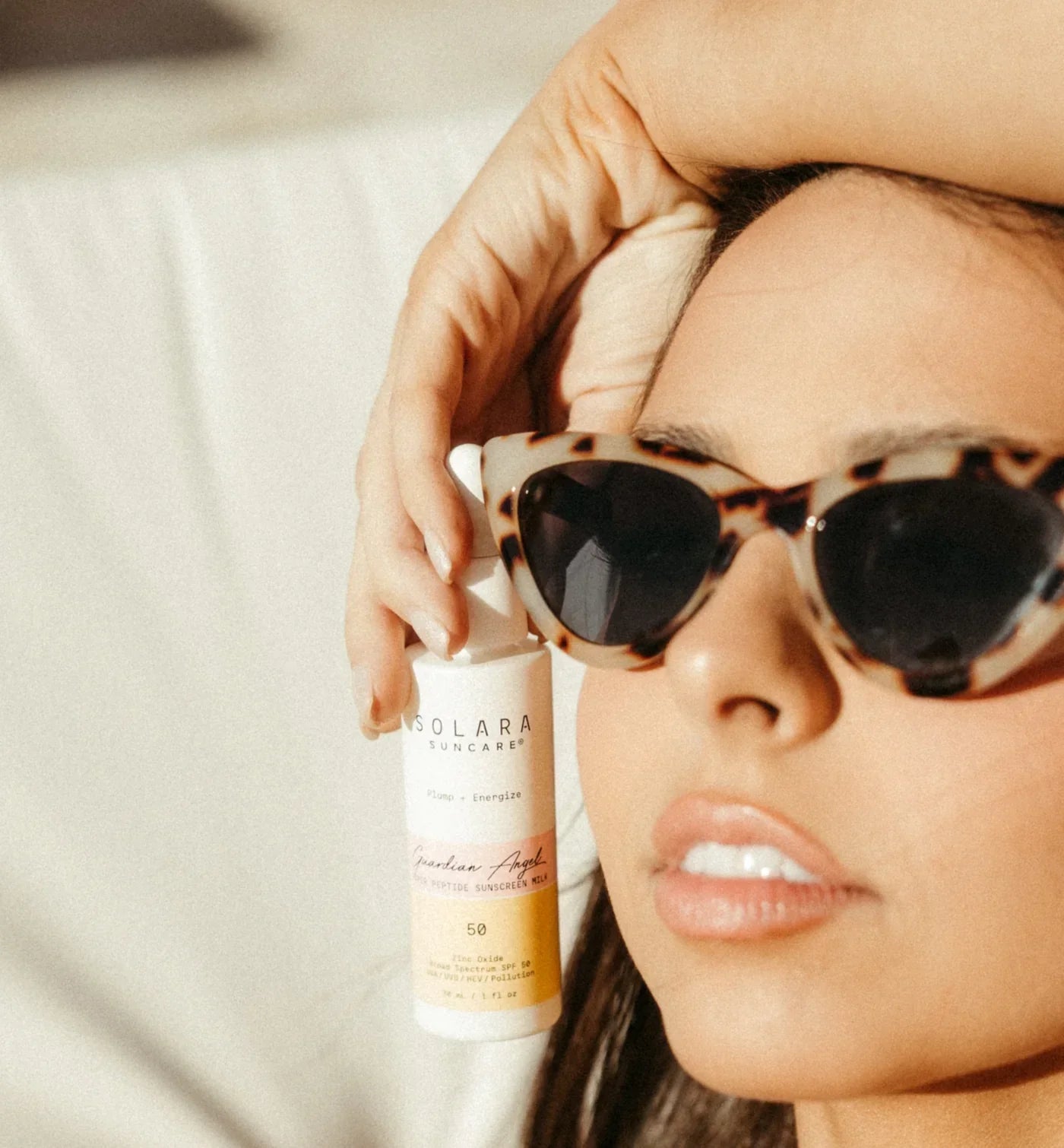
The weather is warming up, and that can mean only one thing. It’s time to talk Sunscreen!
If you’ve ever wondered what the difference is between chemical and mineral sunscreen, you’re not alone. And yes, they really are completely different.
At skin&tonic, we believe summer skincare should feel simple, effective, and supportive of your long-term glow. So today, we’re breaking down the difference between chemical vs. mineral sunscreen and why we’re proudly team mineral in our treatment rooms.
First Things First: Why Is Sunscreen Non-Negotiable?
If you take one thing from this post, let it be this: Sunscreen is not optional.
Daily sunscreen is the foundation of smart summer skincare. It protects against:
-
Premature aging
-
Hyperpigmentation
-
Collagen breakdown
-
Skin cancer
-
Post-facial sensitivity damage
You can have the most advanced serums in your routine, but without sunscreen? They can’t do their job properly.
At skin&tonic, we consider sunscreen your skin’s daily insurance policy.
What Does SPF Actually Mean?
SPF stands for Sun Protection Factor, and it tells you how well a sunscreen protects your skin from UVB rays (the type responsible for sunburn).
Here’s the simple breakdown:
-
SPF 15 blocks about 93% of UVB rays
-
SPF 30 blocks about 97% of UVB rays
-
SPF 50 blocks about 98% of UVB rays
No sunscreen blocks 100% of the sun’s rays, which is why reapplication is just as important as the SPF number itself.
At skin&tonic, we typically recommend using at least SPF 30 every single day, even when it’s cloudy or you’re mostly indoors. UV exposure adds up over time, and daily protection is one of the most powerful steps you can take for long-term skin health.
UVA vs UVB: Why Broad-Spectrum Protection Matters
Not all UV rays affect your skin the same way. There are two types you need to know about:
UVB Rays: The Burning Rays
UVB rays are responsible for sunburn and damage in the skin. They’re the primary rays measured by SPF ratings.
UVA Rays: The Aging Rays
UVA rays penetrate deeper into the skin and are responsible for:
-
Premature aging
-
Wrinkles and loss of collagen
-
Hyperpigmentation and dark spots
-
Long-term skin damage
Unlike UVB rays, UVA rays are present all year long and can even penetrate through clouds and windows.
That’s why when choosing sunscreen for your skincare routine, it’s important to look for the words:
“Broad Spectrum Protection.”
Broad-spectrum SPF means the product protects against both UVA and UVB rays, giving your skin the full protection it needs.
The Two Types of Sunscreen
1. Chemical Sunscreen
Chemical sunscreens include ingredients like:
-
Avobenzone
-
Oxybenzone
-
Octisalate
-
Octinoxate
-
Homosalate
How they work:
They absorb UV rays and convert them into heat, which is then released from the skin.
What to know:
-
Must be applied 15–30 minutes before sun exposure.
-
Can sometimes cause irritation or breakouts (especially on sensitive or acne-prone skin).
-
Some ingredients have raised environmental concerns (like coral reef impact).
Many people love chemical sunscreens for their lightweight feel and invisible finish. But in our treatment rooms, we often see reactive skin that doesn’t love them back.
2. Mineral Sunscreen
Mineral sunscreens use:
-
Zinc oxide
-
Titanium dioxide
How they work:
They sit on top of the skin and reflect UV rays away from the surface.
Honestly, we’re firmly team mineral sunscreen at skin&tonic, especially formulas using non-nano zinc oxide.
Why? Because zinc doesn’t just protect. It supports skin health.
Why We Recommend Mineral Sunscreen at Skin & Tonic
After years of treating all types of skin, here’s what we’ve seen:
Zinc is calming and anti-inflammatory. It helps reduce redness, supports acne-prone skin, provides true broad-spectrum UVA/UVB protection, and works immediately upon application.
Unlike older mineral formulas that felt thick or chalky, modern zinc-based sunscreen blends beautifully into the skin. No ghostly cast. No heavy texture. Just breathable, skin-supportive protection.
For summer skincare (when heat, sweat, and sun exposure are higher) mineral sunscreen tends to behave better on sensitive or breakout-prone skin.
So… Which Sunscreen Should You Choose?
If your skin is resilient and you’ve never had issues with chemical sunscreens, you may do just fine with them.
But if you:
-
Break out easily
-
Have sensitive or reactive skin
-
Struggle with rosacea
-
Invest in facials, peels, or your skincare routine
-
Care about reef-conscious formulas
A mineral sunscreen is likely your best match.
And when it comes to summer skincare, protecting your investment (and your collagen) is the move.
Our Final Thoughts
At skin&tonic, we don’t just recommend any products, we recommend what we see working every single day in the treatment room.
Sunscreen is the most important step in your routine. Mineral sunscreens support your skin while protecting it, encouraging consistency in your sunscreen routine. And consistency will always beat intensity.
If you’re unsure which sunscreen is right for your skin, ask your esthetician at your next appointment or reach out to us anytime. We’re always happy to talk about summer skincare and help you build a routine that truly works.
Join us on team sunscreen, and protect your glow year round.