

You've been eyeing a Vitamin C serum. Maybe you've already bought a few. One turned orange in the bottle. One stung. One seemed to do nothing. And now you're wondering if Vitamin C is actually worth the hype or if you've just been unlucky.
You haven't been unlucky. Vitamin C really is one of the most powerful ingredients available for brightening skin, fading pigmentation, and protecting against environmental damage. But, the gap between a great Vitamin C product and a disappointing one is enormous, and most of the options on the market fall into the disappointing category without anyone explaining why.
That’s what we are here for!
Is Vitamin C worth the hype?
Let's start by talking about what Vitamin C does for the skin, because it does several things simultaneously, which is part of why it's earned such a devoted following.
It brightens. Vitamin C inhibits an enzyme called tyrosinase, which is involved in melanin production. Less excess melanin means a more even, luminous skin tone over time.
It protects. Vitamin C is a powerful antioxidant. Applied in the morning, it helps neutralize free radical damage caused by UV exposure and environmental pollution. It doesn't replace sunscreen, but it significantly enhances your skin's defense system when used alongside one.
It supports collagen. Vitamin C plays a direct role in collagen synthesis. This is why consistent use over time is associated with firmer, more resilient skin. It's one of the rare ingredients that genuinely supports anti-aging outcomes without being aggressive.
It supports post-treatment results. If you're getting regular facials, DermaSweep, or microneedling, a Vitamin C serum used consistently at home extends and protects those results between appointments. Professional treatments stimulate change. Vitamin C helps preserve and support that change daily.
Why isn't my Vitamin C serum working?
Most Vitamin C serums are formulated with L-ascorbic acid, which is the purest, most bioavailable form of Vitamin C. Sounds good, right? The problem is that L-ascorbic acid is notoriously unstable. It oxidizes when exposed to light and air, which is why so many Vitamin C serums turn yellow, then orange, then brown over time. An oxidized Vitamin C serum will stop working, and it can actually generate free radicals and irritate the skin.
Additionally, L-ascorbic acid is most effective at a low pH, which makes it inherently more acidic and more likely to sting or cause irritation, particularly for anyone with sensitive, reactive, or rosacea-prone skin.
Then there's the concentration issue. Brands often use too little Vitamin C to show results, or too much, which pushes skin into irritation territory. Finding the sweet spot requires thoughtful formulation, and not everyone invests in that.
Finally, many Vitamin C serums are formulated in a watery base that sits on top of the skin rather than properly penetrating. You apply it, it evaporates, and your skin doesn't actually absorb what it needs.
For all of you who asked us over the years, these are some of the reasons why we held off on stocking a Vitamin C serum for so long. We were not going to bring in a product we couldn't fully stand behind.
What makes a Vitamin C formula work?
When we were searching for a great vitamin C option, we were looking for a few non-negotiables:
Stability. The formula needs to stay active from the moment it's manufactured to the last drop in the bottle. This often means using a more stable derivative of Vitamin C, formulated in a way that protects it from oxidation.
Skin compatibility. Effective should not mean irritating. A Vitamin C product worth recommending should brighten without compromising the barrier or causing sensitivity.
The right base. Vitamin C delivered in a cream or serum-cream hybrid absorbs differently than a watery formula. A richer base helps with penetration and means the product works with the skin rather than sitting on top of it.
Complementary ingredients. Great Vitamin C formulas don't work alone. Pairing Vitamin C with ceramides, squalane, and other barrier-supportive ingredients means you're protecting and nourishing the skin at the same time as brightening it.
So what should you look for on the label? On the ingredients list, look for ascorbic acid, sodium ascorbyl phosphate, or ascorbyl glucoside, all of which are stable, well-researched forms of Vitamin C. Ceramides, squalane, or niacinamide appearing in the top half of the ingredients list (where the active, higher-concentration ingredients live) are a good sign that the formula was built to support the skin barrier, not just deliver a single active.
Why we chose The Preservationist from Lenox & Sixteenth
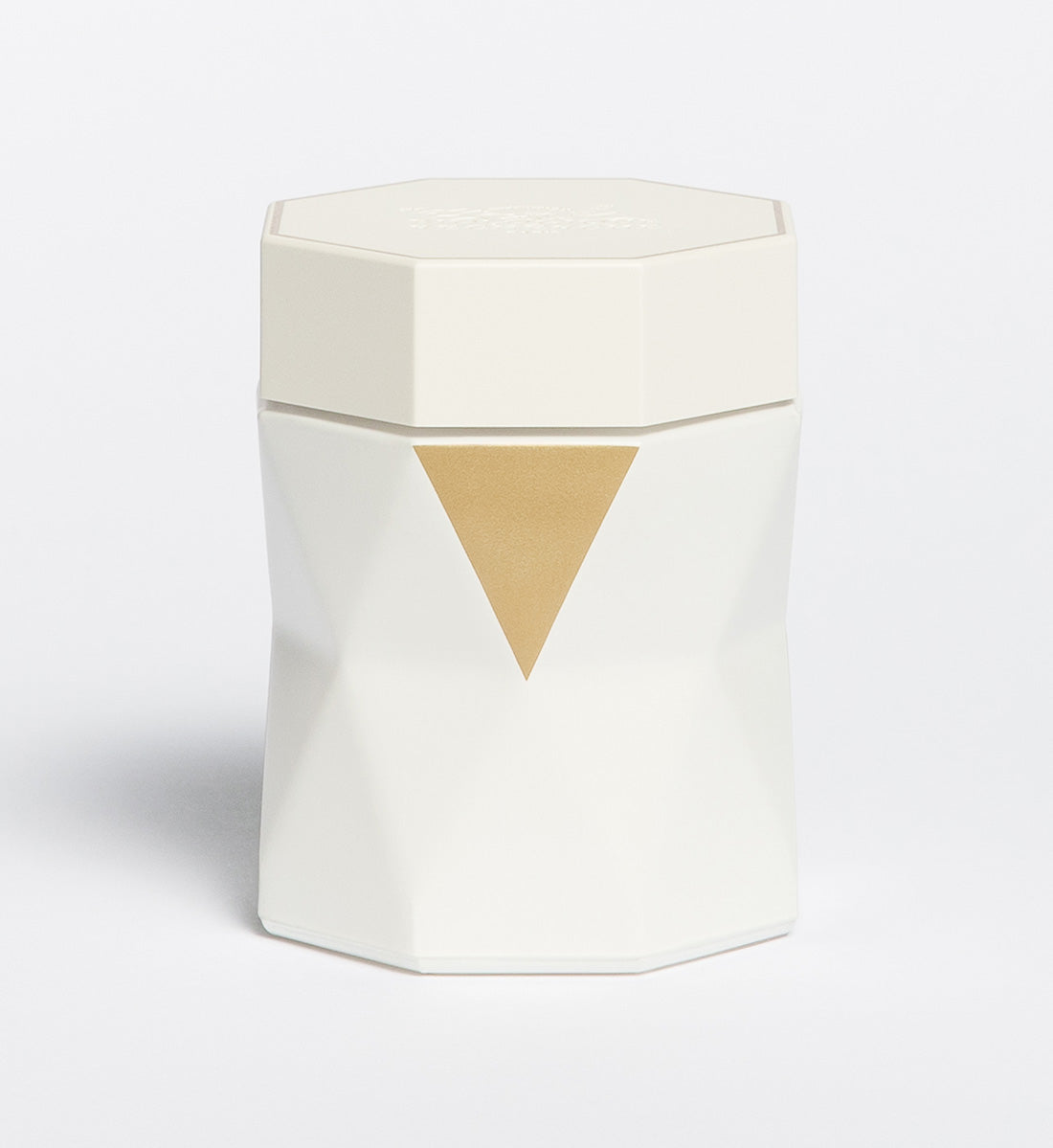
The Preservationist is our first Vitamin C recommendation in recent years, and we mean that as a compliment to the product.
It's formulated as a cream-serum, which tells us the product is thoughtfully made, and will absorb beautifully into the skin. Rather than a single L-ascorbic acid formula, it uses two forms of potent Vitamin C alongside niacinamide (for pore refinement and tone evening), ceramides, squalane, and exosomes for hydration and barrier support. The result is a product that delivers brighter skin while actively supporting the barrier, not working against it.
In practice, it feels elegant. It absorbs beautifully. It layers well under moisturizer and SPF without pilling or interfering. It doesn't sting. And the results, particularly for clients dealing with dullness and uneven tone, are exactly what we were hoping for.
It's also very much in line with what we've come to love about Lenox & Sixteenth as a brand overall. Esthetician-owned, carefully formulated, results-driven without being aggressive. That philosophy aligns completely with how we practice skincare.
How to use Vitamin C correctly
A few practical notes:
Use it in the morning. Vitamin C's antioxidant properties are most useful during the day when your skin is being exposed to UV and environmental stressors.
Always follow with SPF. Vitamin C and sunscreen work together. One protects. The other neutralizes. Together, they're significantly more effective than either alone.
Give it time. Brightening results from consistent Vitamin C use typically become visible after four to six weeks. This is not an overnight fix.
Store it correctly. Keep your Vitamin C product away from direct sunlight and heat. A cabinet rather than a sunny bathroom shelf extends its effectiveness considerably.
Who should use a Vitamin C serum?
Almost everyone, honestly. But especially:
- Anyone dealing with dullness or uneven skin tone.
- Anyone working on hyperpigmentation or post-acne marks.
- Anyone who wants to get more out of their sunscreen.
- Anyone who wants to support collagen long-term as part of an anti-aging routine.
If you've had reactions to Vitamin C in the past, come in and talk to us before writing it off entirely. The formula matters enormously. The right one, chosen for your specific skin, can be a very different experience.
Summer is the most important time of year to have antioxidant support in your morning routine. The UV exposure your skin is collecting right now is cumulative, and Vitamin C is one of the most accessible ways to protect against its long-term impact.
Stay glowing,
Robin & Lori